
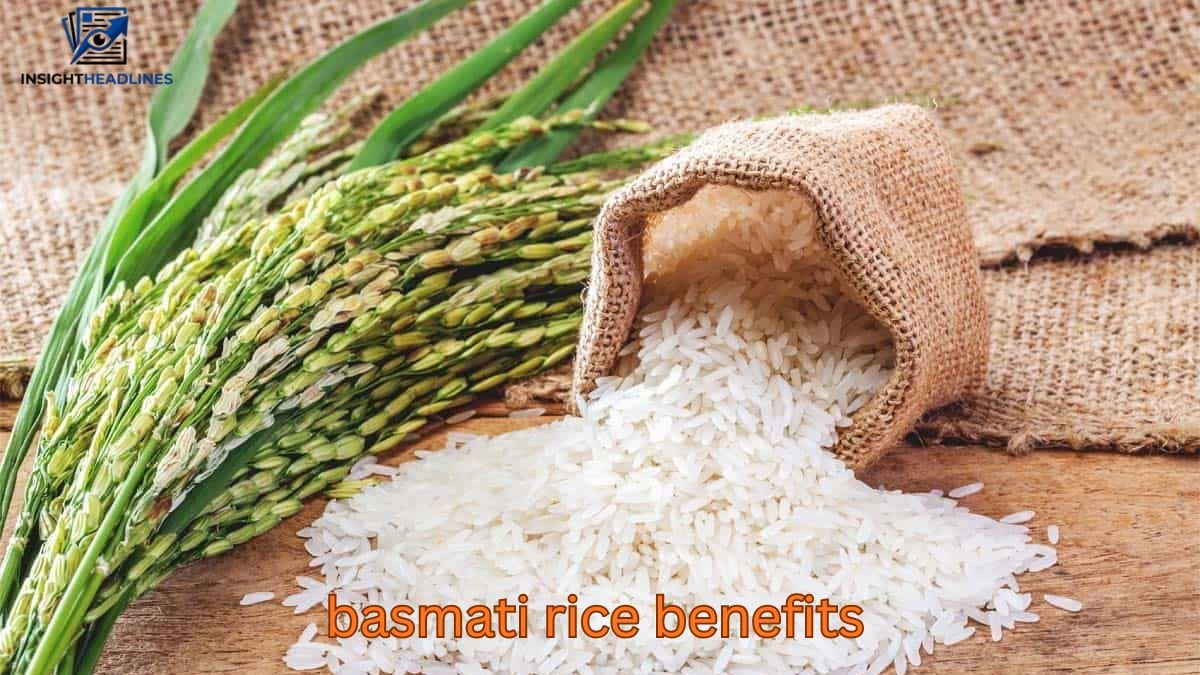
If you’ve ever stood in a grocery aisle staring at rice options—white rice, brown rice, jasmine, long grain, sella—you’re not alone. Most people buy rice out of habit, not because they understand what it does to their body. And then later, the questions start: Is basmati rice healthy? Does it spike blood sugar? Is brown basmati better for weight loss? What about aged basmati or golden sella?
The truth is, basmati rice benefits go far beyond its aroma and taste. When chosen correctly and cooked the right way, basmati can be one of the best rice options for people who want balanced energy, better digestion, and improved portion control. But not all basmati is equal—and many people unknowingly buy the wrong type for their goals.
In this guide, you’ll learn exactly what makes basmati unique, how it compares to other rice, and which basmati variety fits your health goals (weight loss, diabetes-friendly eating, fitness diets, or daily family meals).
What Is Basmati Rice (and Why Is It Different)?
Basmati rice is a long-grain aromatic rice traditionally grown in India and Pakistan. The word “basmati” roughly translates to fragrant, which explains its signature smell.
What makes basmati special is not only its aroma, but also its grain structure. Basmati grains are naturally long and slender, and they expand in length more than in width when cooked. That’s why basmati feels lighter and fluffier than many other rice types.
Why people prefer basmati rice in daily meals
- It doesn’t feel “heavy” after eating
- It has a naturally appealing fragrance
- It’s easier to portion because it stays fluffy
- It pairs well with curries, lentils, vegetables, and grilled meats
But beyond taste, basmati has some genuine nutritional advantages.
Top Basmati Rice Benefits (Backed by Real-Life Use)
1. May Be Better for Blood Sugar Than Regular White Rice
One of the biggest reasons people choose basmati is its reputation for having a lower glycemic impact compared to many other white rice varieties.
This matters because high-GI foods cause faster blood sugar spikes, which can lead to energy crashes and increased hunger later.
In real life:
Many people notice that jasmine rice makes them hungry quickly, while basmati keeps them full longer. That’s partly because basmati tends to digest more slowly.
Best choice for this benefit: aged basmati, brown basmati, and parboiled (sella) basmati.
2. Helps With Portion Control (Because It Expands More)
This is a surprisingly practical benefit that most articles don’t talk about enough.
Basmati rice expands significantly when cooked, meaning you get more volume from less uncooked rice.
So if you’re trying to manage calories or control portions, basmati makes it easier to feel satisfied with a smaller amount.
Example:
½ cup of uncooked basmati often looks like a full plate after cooking—while other rice types may look less filling.
This makes basmati useful for:
- Weight loss diets
- Meal prepping
- People who struggle with overeating rice
3. Easier to Digest Than Many Rice Types
Basmati is known for being light on the stomach. Many people who feel bloated after eating rice find basmati more comfortable.
This may be because:
- It has a different starch composition
- It cooks fluffy instead of sticky
- It doesn’t clump heavily like short-grain rice
Real-world scenario:
If you eat rice with lentils (daal), basmati tends to feel less “gassy” than sticky rice varieties.
4. Naturally Gluten-Free and Allergy-Friendly
Basmati rice is naturally gluten-free, which makes it a safe staple for people with:
- Gluten sensitivity
- Celiac disease
- Wheat allergies
It’s also gentle for kids and older adults who need simple, digestible carbohydrates.
5. Supports Heart Health When Chosen Wisely
If you choose brown basmati rice, you get extra nutrients like:
- Magnesium
- Fiber
- Antioxidants
- B vitamins
These nutrients play a role in heart function, cholesterol regulation, and reducing inflammation.
White basmati is still a better option than heavily processed rice types, but brown basmati is the real winner for heart health.
Brown Basmati Rice Benefits (And Why It’s a Smart Upgrade)
Brown basmati rice is basmati rice with the bran layer still intact. That outer layer is where most fiber and micronutrients live.
Key brown basmati rice benefits
- Higher fiber (better digestion and fullness)
- Slower digestion (more stable energy)
- Better for gut health
- More nutrients than white basmati
- More satisfying for weight loss diets
Brown basmati rice benefits for weight loss
If weight loss is your goal, brown basmati is one of the best rice options because it helps control hunger.
Why it helps:
- Fiber slows down digestion
- It keeps you full longer
- It reduces cravings later in the day
Practical tip:
If you’re switching from white rice to brown basmati, start by mixing them 50/50 for a week. This prevents digestion discomfort while your body adapts to higher fiber.
White Basmati Rice Benefits (Yes, It Still Has Advantages)
White basmati rice is more processed than brown basmati, meaning the bran and germ are removed. That reduces fiber but makes it faster to cook and easier to digest.
White basmati rice benefits
- Light on the stomach
- Great for people with sensitive digestion
- Works well in low-fiber diets (after illness, stomach upset)
- Good energy source for active people
- Less sticky, so portion control is easier
Fitness example:
Many athletes and gym-goers choose white basmati because it gives clean energy without heavy bloating.
So while brown basmati is more nutrient-dense, white basmati is still a good option depending on your lifestyle.
Aged Basmati Rice Benefits (A Hidden Health Advantage)
Aged basmati rice is stored for months or years after harvesting. This aging process improves its aroma and texture—but also changes how it behaves in the body.
Aged basmati rice benefits
- Typically has a lower glycemic response than fresh rice
- Cooks fluffier and separates better
- Better aroma and taste
- Less sticky, making it easier to digest
- Often causes less bloating
Unique insight #1 (rarely discussed):
Aged basmati is often easier to portion correctly because it cooks into longer, drier grains that don’t clump. That means people naturally serve less without realizing it.
If you struggle with overeating rice, aged basmati is a smart upgrade.
Golden Sella Basmati Rice Benefits (Why It’s Popular in South Asian Homes)
Golden sella basmati rice is parboiled basmati. The rice is partially boiled in its husk before milling. This changes the structure of the starch and pushes some nutrients into the grain.
Golden sella basmati rice benefits
- Holds shape well and doesn’t break easily
- Less sticky, great for biryani and pulao
- Often has a lower glycemic impact than regular white rice
- More resistant to overcooking
- Better for meal prep (stays fluffy even after reheating)
Unique insight #2 (rarely discussed):
Sella rice is one of the best rice types for people who reheat rice often. It stays firm instead of turning mushy, which improves both taste and portion satisfaction.
This is why many restaurants prefer it.
Basmati Rice vs Other Rice: Which One Is Healthiest?
Basmati vs Jasmine rice
- Jasmine is softer, stickier, and often higher GI
- Basmati is fluffier and usually digests slower
Better choice for weight management: basmati
Basmati vs regular long-grain white rice
- Basmati is more aromatic and tends to have a better glycemic profile
- Regular long-grain rice can be more starchy and less satisfying
Better choice for daily meals: basmati
Basmati vs brown rice (non-basmati)
- Brown rice has fiber, but some people find it too heavy
- Brown basmati gives fiber with a lighter texture
Better choice for digestion: brown basmati often wins
How Basmati Rice Can Fit Into a Healthy Diet
Basmati rice isn’t “magic weight loss food,” but it can absolutely be part of a healthy diet when eaten correctly.
Best ways to eat basmati for health
- Pair it with protein (chicken, lentils, eggs, fish)
- Add fiber-rich vegetables
- Avoid heavy creamy sauces
- Keep portions realistic (1 cup cooked is enough for most meals)
Healthy meal examples
- Brown basmati + grilled chicken + cucumber salad
- White basmati + daal + sautéed spinach
- Golden sella basmati + vegetable biryani + yogurt
- Aged basmati + fish curry + steamed broccoli
Best Cooking Tips to Maximize Basmati Rice Benefits
Cooking style matters more than people think. Overcooked rice becomes mushy and digests faster.
Practical cooking tips
- Wash rice 3–4 times to remove excess starch
- Soak for 20–30 minutes (especially aged basmati)
- Use the right water ratio (usually 1:1.5 for white basmati)
- Avoid over-stirring while cooking
- Let it rest 5–10 minutes after cooking
Unique insight #3 (rarely discussed):
Cooling cooked basmati rice and reheating it later may increase resistant starch. Resistant starch behaves more like fiber, which can support gut health and reduce blood sugar spikes.
This is why meal-prepped rice sometimes feels more filling than freshly cooked rice.
Common Mistakes People Make With Basmati Rice
1. Eating rice alone without protein
Rice alone digests fast and spikes hunger. Pairing with protein slows digestion.
2. Thinking “brown basmati = unlimited”
Even healthy rice still contains calories. Portion size matters.
3. Overcooking until sticky
Sticky rice is easier to overeat and digests faster.
4. Eating rice late at night in huge portions
It’s not “bad,” but large late-night portions often lead to weight gain because people are less active.
5. Assuming all basmati is the same
Aged basmati, sella basmati, and brown basmati behave differently in cooking and digestion.
Is Basmati Rice Good for Diabetics?
Basmati rice can be a better choice than many other rice types, but portion control is essential.
Best basmati options for diabetics
- Brown basmati rice
- Aged basmati rice
- Golden sella basmati rice
Smart diabetic-friendly serving strategy
- Eat ½ to 1 cup cooked rice max
- Combine with lentils or beans
- Add vegetables and healthy fats (olive oil, nuts, yogurt)
Basmati is not “diabetes medicine,” but it can fit into a balanced diet more easily than sticky white rice.
Is Basmati Rice Good for Weight Loss?
Yes—if eaten properly.
Why basmati can support weight loss
- It’s satisfying without being sticky
- It expands more, making portions feel larger
- Brown basmati adds fiber for fullness
- Aged and sella basmati digest slower than many rice types
Best basmati rice for weight loss
- Brown basmati rice
- Aged basmati rice
- Golden sella basmati rice
Best approach:
Eat rice at lunch or early dinner, keep portions moderate, and pair it with protein and vegetables.
Nutritional Value of Basmati Rice (Quick Overview)
Basmati rice provides:
- Carbohydrates for energy
- Small amounts of protein
- Very little fat
- Minimal sodium naturally
Brown basmati adds:
- More fiber
- More minerals (magnesium, phosphorus)
- Better satiety
White basmati provides faster energy but fewer nutrients.
Who Should Eat Which Type of Basmati Rice?
Choose brown basmati if you:
- Want weight loss support
- Want better digestion and fullness
- Need more fiber in your diet
Choose white basmati if you:
- Have a sensitive stomach
- Want quick energy for workouts
- Prefer softer texture and faster cooking
Choose aged basmati if you:
- Want better taste + better glycemic response
- Want fluffier rice for daily meals
- Prefer premium quality
Choose golden sella basmati if you:
- Cook biryani often
- Meal prep rice frequently
- Want rice that stays separate and firm
FAQ: Basmati Rice Benefits (Real Questions People Ask)
1. Is basmati rice healthier than normal white rice?
Yes, in many cases basmati is considered healthier because it often has a lower glycemic impact and a lighter texture. It also tends to be less sticky, which helps with portion control. However, it’s still a carbohydrate, so serving size matters. Brown basmati is the most nutritious option.
2. What are the benefits of brown basmati rice for weight loss?
Brown basmati rice is higher in fiber, which helps keep you full longer and reduces cravings. It also digests more slowly, leading to steadier energy. Many people find they naturally eat less when switching to brown basmati. It works best when paired with protein and vegetables.
3. Is aged basmati rice better than new basmati rice?
Aged basmati is often better in taste, aroma, and texture. It usually cooks fluffier and less sticky, which may help digestion and portion control. Many people also find it feels “lighter” after eating. For daily meals, aged basmati is often the premium choice.
4. What is golden sella basmati rice and is it healthy?
Golden sella basmati rice is parboiled basmati rice. It’s popular because it stays firm, doesn’t break easily, and reheats well. Many people prefer it for biryani and meal prep. It can be a healthier option than regular white rice because of its cooking structure and slower digestion.
5. Does basmati rice cause weight gain?
Basmati rice can cause weight gain if eaten in large portions or combined with high-fat, high-calorie foods. But in moderate portions, it can fit into a weight loss diet. Brown basmati and aged basmati are especially helpful for managing hunger. The key is portion size and balanced meals.
6. Is white basmati rice good for digestion?
Yes, white basmati rice is often easier to digest than heavier grains. It’s commonly used in diets for people recovering from stomach issues. Since it’s low in fiber, it’s gentle and quick to digest. Pairing it with protein helps prevent blood sugar spikes.
Conclusion: Should You Add Basmati Rice to Your Diet?
Basmati rice is more than just a fragrant staple—it can be a smart carbohydrate choice when you choose the right variety and cook it properly. The biggest basmati rice benefits include better portion satisfaction, lighter digestion, and a more balanced energy response compared to many other rice types.
If your goal is weight loss or blood sugar control, brown basmati, aged basmati, or golden sella basmati are usually the best options. If your goal is simple, light meals that don’t upset your stomach, white basmati still has a valuable place.
The best approach is simple: eat basmati in realistic portions, pair it with protein and vegetables, and avoid turning it into an oily calorie bomb. Done right, basmati rice can absolutely be part of a healthy, enjoyable diet.