
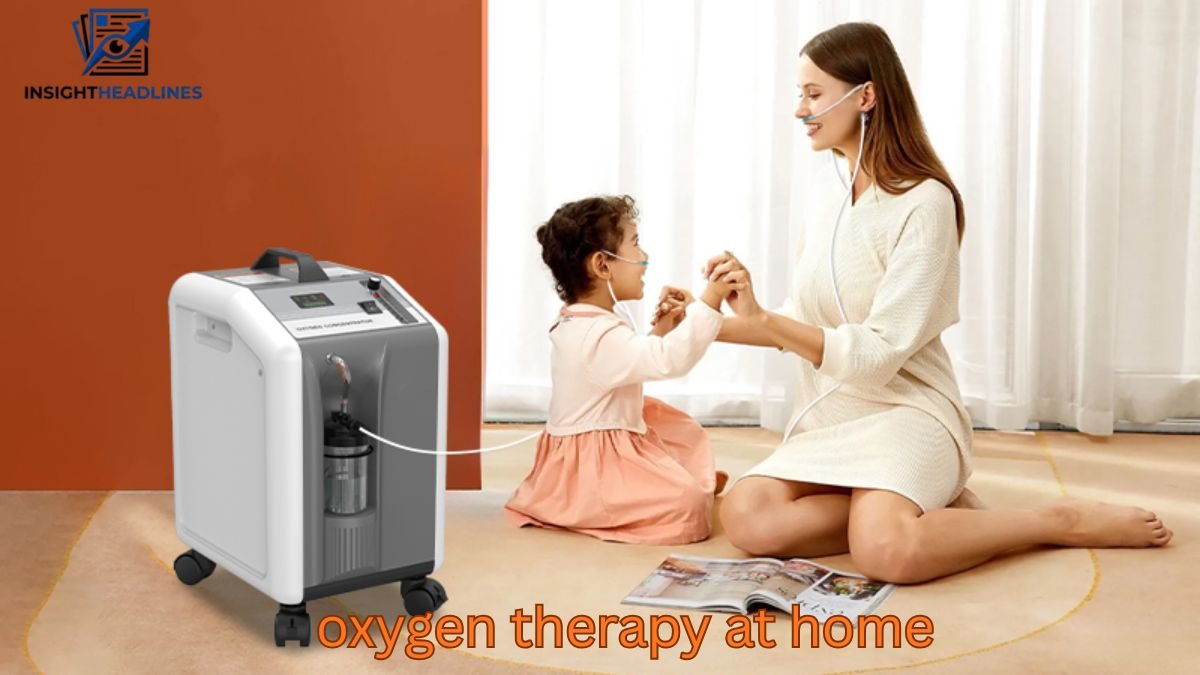
Oxygen therapy at home is becoming increasingly common for people managing long-term breathing conditions, post-illness recovery, or low oxygen levels caused by chronic health issues. It sounds simple—just extra oxygen—but in reality, using it correctly at home requires understanding equipment, safety rules, and realistic expectations.
Many people search for solutions like hyperbaric oxygen therapy at home, hoping for faster healing, more energy, or recovery support. Others are prescribed oxygen after hospital visits and feel unsure about how to use it safely in daily life. Some even explore it for fitness or wellness purposes without fully understanding the risks.
This guide breaks everything down in a practical, human way. You’ll learn how oxygen therapy works, what equipment is used at home, real benefits vs myths (especially around hyperbaric systems), possible side effects, and whether practices like exercising with oxygen actually help. We’ll also look at what’s realistic in places like the UK, where regulations are stricter than online marketing suggests.
By the end, you’ll know how to approach oxygen therapy safely, confidently, and with realistic expectations—not confusion or hype.
What Oxygen Therapy at Home Actually Means
At its core, oxygen therapy at home means supplying extra oxygen to your lungs when your body cannot maintain normal oxygen levels on its own.
It is commonly prescribed for conditions like:
- COPD (chronic obstructive pulmonary disease)
- Severe asthma
- Pulmonary fibrosis
- Sleep-related breathing disorders
- Recovery after serious respiratory infections
The goal is not to “boost energy” but to maintain safe oxygen saturation levels in the blood.
In most cases, oxygen therapy at home is medical-grade and prescription-based, meaning it is carefully adjusted to your condition. Using oxygen without need or supervision can actually disrupt natural breathing regulation.
Oxygen Therapy at Home Equipment Explained
Home oxygen systems are designed for long-term, safe use. The most common types include:
1. Oxygen Concentrators
These are the most widely used devices at home.
- Pull air from the room
- Filter nitrogen out
- Deliver concentrated oxygen
- Run on electricity
They are safer and more convenient than oxygen cylinders for daily use.
2. Oxygen Cylinders
These store compressed oxygen.
- Portable but limited supply
- Need refilling or replacement
- Often used as backup
3. Liquid Oxygen Systems
Less common, but used for higher oxygen needs.
- Store oxygen in liquid form
- Convert to gas when used
- More compact than cylinders
4. Delivery Accessories
- Nasal cannula (most common)
- Oxygen masks
- Tubing and humidifiers
Practical insight most guides miss:
Many users underestimate how quickly tubing wear and moisture buildup can reduce oxygen flow efficiency. Replacing tubing regularly improves consistency more than people expect.
Hyperbaric Oxygen Therapy at Home: Reality Check
Hyperbaric oxygen therapy (HBOT) is very different from standard oxygen therapy.
It involves breathing pure oxygen in a pressurized chamber, typically in medical facilities. Some companies market home hyperbaric oxygen therapy chambers, but reality is more complex.
What people expect:
- Faster healing
- Anti-aging effects
- Improved brain function
- Recovery from sports injuries
What is actually supported medically:
HBOT is used in hospitals for:
- Carbon monoxide poisoning
- Non-healing wounds
- Certain infections
- Decompression sickness
Hyperbaric oxygen therapy at home UK situation:
In the UK, true medical-grade HBOT is tightly regulated. Home chambers sold online are usually mild-pressure devices, not equivalent to hospital treatment. They may not provide the same clinical effects.
Important insight rarely discussed:
Many home HBOT units create a false sense of medical treatment. Users sometimes delay real medical care because they believe the device is fully therapeutic, when in fact it may only provide mild pressure changes.
Benefits of Oxygen Therapy at Home
When prescribed correctly, oxygen therapy can significantly improve quality of life.
Key benefits include:
- Improved breathing efficiency
- Reduced shortness of breath
- Better sleep quality
- Increased ability to perform daily tasks
- Reduced strain on the heart
For people with chronic lung disease, oxygen therapy is often life-changing—not because it “boosts performance,” but because it restores oxygen balance.
Hyperbaric oxygen therapy at home benefits (realistic view):
- Temporary relaxation effect in some users
- Mild reduction in inflammation (limited evidence at home-use levels)
- Psychological comfort (feeling of active recovery)
However, these effects vary widely and should not be considered medical treatment substitutes.
Oxygen Therapy at Home Side Effects
Even though oxygen feels natural, too much or improper use can cause issues.
Common side effects:
- Dry nose or throat
- Nosebleeds
- Headaches
- Skin irritation around cannula
- Fatigue from incorrect oxygen levels
Less common but serious risks:
- Oxygen toxicity (rare, usually high doses)
- Carbon dioxide retention in COPD patients
- Fire hazards (oxygen supports combustion)
Unique safety insight:
Most home accidents involving oxygen therapy are not medical—they are fire-related. Oxygen doesn’t burn, but it makes fire much more intense. Even small sparks (candles, gas stoves, cigarettes) become dangerous.
Exercise with Oxygen Therapy at Home
Some people use oxygen while exercising, hoping to improve stamina or recovery.
What actually happens:
- In medical patients: may help tolerate light activity
- In healthy individuals: little to no performance benefit
- In COPD patients: can reduce breathlessness during rehab exercises
Safe exercise examples:
- Slow walking indoors
- Light cycling on a stationary bike
- Breathing exercises
- Physiotherapy movements
What to avoid:
- High-intensity workouts with oxygen equipment
- Using oxygen to “push through” exhaustion
- Unsupervised training with increased oxygen flow
Practical insight:
If oxygen is needed just to complete exercise, the body may already be signaling that intensity is too high. Oxygen should support rehabilitation, not mask limits.
Common Mistakes People Make
Many problems with oxygen therapy come from misunderstanding, not equipment failure.
Mistakes include:
- Adjusting oxygen flow without medical advice
- Ignoring dryness or irritation symptoms
- Using unapproved hyperbaric devices as substitutes for medical care
- Poor equipment maintenance
- Placing oxygen equipment near heat sources
Less obvious mistake:
People often think higher oxygen flow = better results. In reality, incorrect flow rates can reduce effectiveness and even cause health complications.
Practical Tips for Safe Home Use
- Keep oxygen equipment at least 1.5 meters away from flames or heat
- Use humidifiers if dryness becomes severe
- Clean nasal cannulas regularly
- Ensure proper room ventilation
- Follow prescribed flow rates strictly
- Store cylinders upright and secured
Hyperbaric Oxygen Therapy at Home: What to Know Before Buying
If you’re considering a home HBOT chamber, keep these points in mind:
- Not all devices are medically certified
- Pressure levels vary widely and often fall below clinical standards
- Maintenance and safety are user-dependent
- Medical supervision is usually required for real conditions
In most cases, physicians recommend HBOT only in controlled medical environments due to safety and precision requirements.
Advanced Insight: Oxygen Therapy Is Not “Extra Energy”
One of the most misunderstood ideas is that oxygen therapy gives more energy. It doesn’t.
Instead, it:
- Corrects low oxygen levels
- Helps organs function normally
- Reduces strain on the body
Feeling “more energetic” is often just the return to baseline—not enhancement beyond normal function.
FAQ
1. Can I use oxygen therapy at home without a prescription?
In most medical systems, oxygen therapy requires a prescription because incorrect use can be harmful. It is not recommended to self-administer oxygen without evaluation.
2. Is hyperbaric oxygen therapy at home safe?
Mild home chambers exist, but they are not equivalent to medical HBOT. Safety depends on device quality, pressure level, and supervision.
3. How long should oxygen therapy be used each day?
It depends entirely on your condition. Some people need it continuously, others only during sleep or activity. Your doctor sets the schedule.
4. Can oxygen therapy help healthy people?
No strong evidence supports benefits for healthy individuals. It is intended for medical oxygen deficiency, not enhancement.
5. What is the biggest risk of oxygen therapy at home?
Fire risk is the most serious danger. Oxygen increases fire intensity significantly, even from small ignition sources.
6. Can I exercise normally while using oxygen?
Light exercise may be possible under medical guidance, but high-intensity workouts are not recommended without supervision.
Conclusion
Oxygen therapy at home can be life-changing when used correctly for the right medical conditions. It improves breathing, supports recovery, and helps people maintain independence. However, it is not a wellness shortcut or a performance enhancer.
Hyperbaric oxygen therapy at home is often misunderstood, and while devices exist, they do not fully replicate clinical treatments. Safety, realistic expectations, and proper medical guidance are essential.
Used responsibly, oxygen therapy becomes a powerful support tool—not just equipment, but a bridge back to stable, manageable breathing and better daily life.