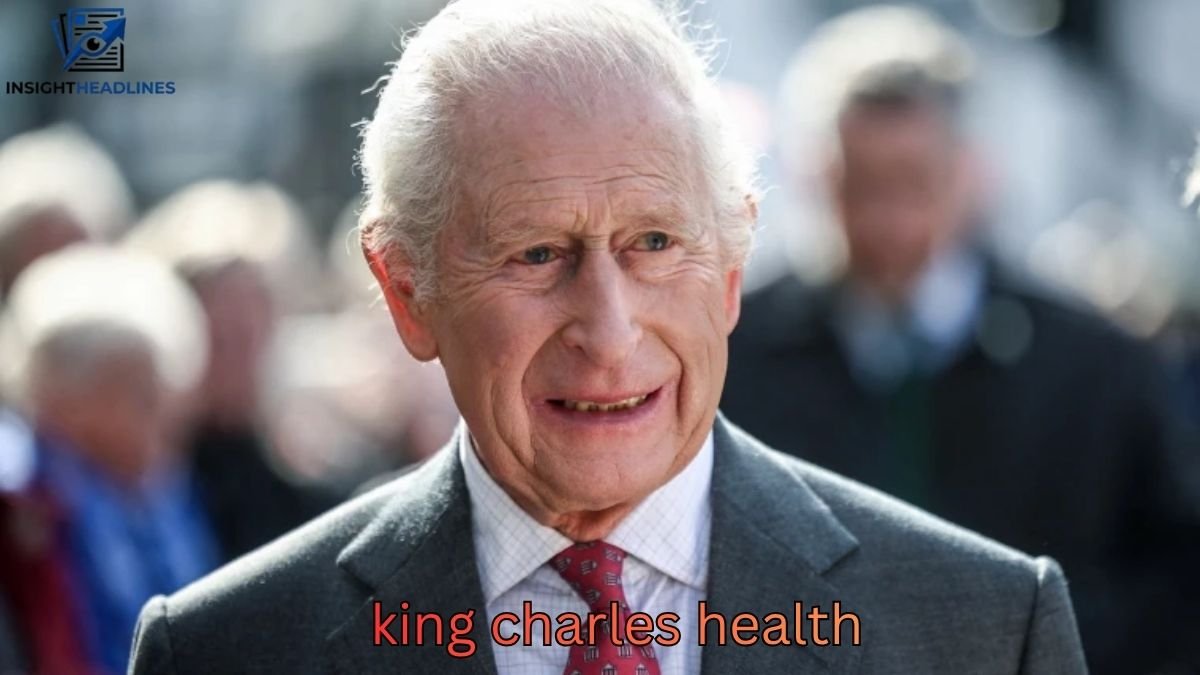
Interest in King Charles health remains high, especially as people search for the latest news, official updates, and signs about how the monarch is managing his cancer diagnosis. Since Buckingham Palace announced in early 2024 that King Charles had been diagnosed with cancer, public attention has focused on whether his condition is improving, worsening, or affecting his ability to carry out royal duties.
The challenge for many readers is separating verified information from speculation. Headlines often ask whether King Charles’s health is declining, while social media frequently spreads unconfirmed claims. The reality is more nuanced.
In this article, you’ll find a clear, evidence-based overview of the latest updates on King Charles’s health, what has been officially confirmed, how his treatment appears to be progressing, and what experts often look for when assessing public figures undergoing cancer treatment. We’ll also explore why the Palace has chosen to keep certain details private and what that means for interpreting the news.
If you’ve been searching for the latest news on King Charles health or wondering how he is doing today, this guide will help you understand the facts without the speculation.
What Is the Latest News on King Charles Health?
The most significant recent update is that King Charles has publicly stated that his cancer treatment schedule is being reduced in 2026 due to positive progress in his recovery. He credited early diagnosis, effective medical intervention, and following doctors’ recommendations for this development.
Reports throughout 2026 have also shown him continuing a busy schedule of public engagements, official meetings, overseas visits, and charitable appearances while still undergoing treatment.
Recent appearances at cancer-related events have reinforced the message that the King remains active in public life. Multiple reports indicate that he continues to participate in royal duties while managing his health condition.
Key Takeaways
- King Charles is still receiving cancer-related medical care.
- His treatment schedule has reportedly been reduced.
- Buckingham Palace has described his response to treatment as highly positive.
- He continues to perform official duties and public engagements.
- No official announcement has stated that his condition is worsening.
How Is King Charles Health Right Now?
Based on official statements and public appearances, King Charles appears to be functioning at a relatively high level despite ongoing treatment.
Several indicators support this assessment:
1. Continued Public Engagements
A declining health condition often results in a substantial reduction of public responsibilities. Instead, King Charles has maintained a demanding schedule that includes:
- State events
- Diplomatic meetings
- Overseas visits
- Charity appearances
- Public ceremonies
This does not mean he is fully recovered, but it suggests doctors consider his condition stable enough for regular activity.
2. Positive Medical Updates
Official communications have consistently used optimistic language regarding treatment progress. Palace representatives have noted that he has responded well to treatment and entered what has been described as a precautionary phase.
3. Reduced Treatment Frequency
One of the strongest indicators of progress is the announcement that treatment frequency can be reduced. In cancer care, this is generally viewed as encouraging, though it does not necessarily mean treatment has ended.
Is King Charles Health Declining?
Short Answer: There Is No Official Evidence That It Is.
Many online searches ask whether King Charles’s health is deteriorating. This concern is understandable because:
- He is in his late seventies.
- He has an ongoing cancer diagnosis.
- The Palace has not revealed the specific cancer type.
However, no official statement has suggested a decline in his condition. In fact, recent updates point toward improved management of the illness rather than deterioration.
Why Do Rumors Persist?
Several factors fuel speculation:
- Limited medical details
- Occasional treatment-related absences
- Intense media interest in the monarchy
- Public concern about succession planning
Without detailed medical information, people often fill information gaps with assumptions. That does not make those assumptions accurate.
What Type of Cancer Does King Charles Have?
This remains one of the biggest unanswered questions.
Buckingham Palace has confirmed that:
- The cancer was discovered during treatment for an enlarged prostate.
- It is not prostate cancer.
- The specific cancer type has not been disclosed.
The Palace has repeatedly maintained privacy regarding the exact diagnosis.
Why Hasn’t the Palace Revealed the Cancer Type?
There are several possible reasons:
- Medical privacy.
- Avoiding unnecessary speculation.
- Keeping focus on cancer awareness generally rather than a single disease.
- Preventing inaccurate conclusions about prognosis.
One unique aspect of the King’s approach is that by not naming the specific cancer, he has become a broader advocate for cancer screening and awareness across multiple cancer types rather than representing a single patient group.
A Less-Discussed Insight: Why Activity Levels Matter More Than Headlines
One detail often overlooked in coverage is that doctors usually monitor functional capacity very closely during cancer treatment.
For public figures, a more useful indicator than dramatic headlines is often:
- Ability to travel
- Energy for public events
- Consistency of work schedule
- Frequency of medical interruptions
King Charles has continued traveling and attending engagements throughout much of his treatment period. While this doesn’t reveal medical specifics, it does provide indirect evidence that his healthcare team believes such activities remain appropriate.
This practical perspective is rarely emphasized in news reports but can be more informative than speculation about appearances or isolated photographs.
Another Unique Insight: His Openness Has Changed Royal Health Communication
Historically, the British Royal Family shared very little information about health issues.
King Charles has taken a different approach.
Compared with previous generations of royals, he has:
- Confirmed his diagnosis publicly.
- Discussed treatment progress.
- Encouraged cancer screening.
- Shared positive and difficult aspects of recovery.
This shift has helped normalize conversations about cancer among older adults, particularly men who may otherwise avoid medical screening.
Some healthcare professionals noted increased public interest in screening after the King’s diagnosis became public.
What Can We Learn From King Charles’s Cancer Journey?
Regardless of royal status, several lessons emerge from the King’s experience.
Early Detection Matters
The King repeatedly emphasizes early diagnosis as a major factor in his treatment progress.
Following Medical Advice Matters
He has publicly credited adherence to medical guidance as part of his positive outcome.
Life Doesn’t Necessarily Stop During Treatment
Many cancer patients continue working, traveling, and participating in meaningful activities while receiving treatment. The King’s public schedule reflects this reality.
Recovery Is Often Non-Linear
Cancer treatment rarely follows a perfectly predictable path. Positive updates are encouraging, but ongoing monitoring remains essential.
What Does the BBC News Coverage Generally Emphasize?
Coverage from major British news organizations has consistently focused on three themes:
- Transparency compared with previous royal generations.
- The importance of cancer awareness and screening.
- The King’s continued commitment to public service.
The reporting has generally avoided declaring the King cured and instead emphasizes ongoing treatment and monitoring, which aligns with official Palace communications.
Frequently Asked Questions
What is the latest update on King Charles health?
The latest official updates indicate that King Charles continues to respond well to cancer treatment. He has stated that his treatment schedule is being reduced, and he remains active in public duties.
Is King Charles still receiving cancer treatment?
Yes. Reports and official statements indicate that he continues to receive treatment and monitoring, although the frequency of treatment has reportedly been reduced.
Is King Charles health declining in 2026?
There is currently no official evidence suggesting a decline. Available updates indicate positive treatment progress and continued participation in royal responsibilities.
What kind of cancer does King Charles have?
The specific cancer type has not been publicly disclosed. Buckingham Palace has confirmed only that it is not prostate cancer.
How is King Charles able to continue working during treatment?
Many cancer patients continue aspects of their normal lives while receiving treatment. Reports suggest that his doctors have allowed him to maintain a substantial schedule while monitoring his health closely.
Has King Charles recovered from cancer?
No official statement has declared him cured or in remission. Current updates focus on positive progress, reduced treatment frequency, and ongoing medical monitoring.
Conclusion
The most reliable information available suggests that King Charles’s health is stable and that his cancer treatment has progressed positively. While he continues to receive medical care, official updates indicate encouraging results, including a reduced treatment schedule and ongoing participation in royal duties.
Importantly, there is a difference between ongoing treatment and declining health. Current evidence points toward management and recovery rather than deterioration. Until Buckingham Palace releases additional information, the most responsible approach is to rely on verified updates rather than speculation.
Perhaps the most lasting aspect of King Charles’s health journey is not the diagnosis itself, but the way it has encouraged public conversations about screening, early detection, and living actively during treatment—topics that affect millions of people far beyond the Royal Family.