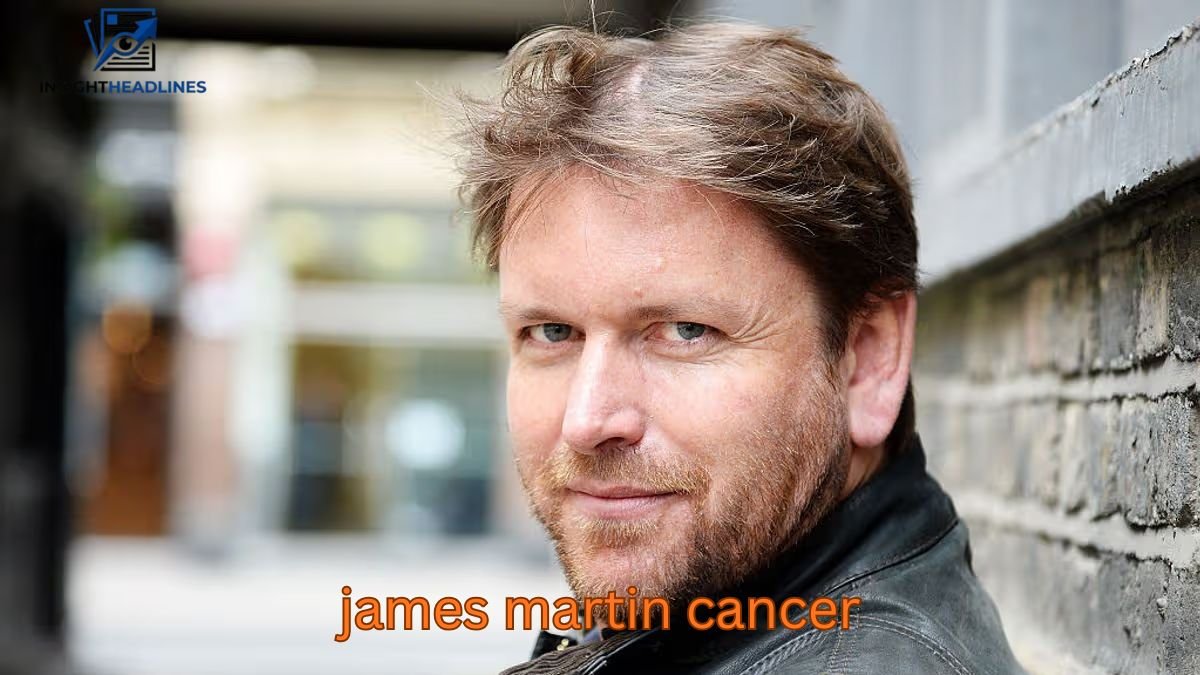
Searches for James Martin cancer often come from concern, confusion, or something read on social media or gossip sites. When a well-known public figure like celebrity chef James Martin becomes the subject of health rumors, people naturally want clear answers—especially when headlines hint at “secret illness” or “hidden diagnosis.”
As of verified public information, there is no confirmed or credible report that James Martin has cancer. He has not publicly announced any cancer diagnosis, and reputable UK media outlets have not reported one. Still, misinformation spreads quickly online, often triggered by changes in appearance, temporary absences from TV, or misinterpreted interviews.
This article breaks down what is actually known, why these rumors start, and how to responsibly interpret “James Martin cancer latest” type searches. You’ll also learn how celebrity health misinformation spreads, what to trust, and how to separate speculation from fact. The goal is simple: give you a clear, grounded understanding without confusion or sensationalism.
What Is Actually Known About James Martin’s Health?
When people search “James Martin cancer diagnosis” or “latest health update,” they are usually expecting a hidden announcement or breaking news. But in reality:
- There is no public cancer diagnosis confirmed by James Martin
- No verified medical statements exist linking him to cancer
- No credible UK broadcaster or newspaper has reported such an illness
Instead, James Martin has continued his public work, including television appearances and culinary projects.
Why this matters
Celebrity health news is highly sensitive. Inaccurate claims can:
- Mislead audiences
- Damage reputations
- Create unnecessary panic among fans
That’s why verified reporting is essential before accepting viral claims.
Why “James Martin Cancer” Rumors Started
The phrase “James Martin cancer secret reasons” often appears in search engines, but it is not based on confirmed information. These types of rumors usually emerge from a few predictable patterns.
1. Changes in appearance or weight
One of the most common triggers is visible change. When a celebrity:
- Loses weight
- Gains weight
- Changes hairstyle or appearance
People sometimes incorrectly associate it with illness.
2. TV schedule gaps or absence
If a presenter is off-screen for a few weeks, online speculation fills the gap. In reality, breaks often happen due to:
- Filming schedules
- Holidays
- New production projects
3. Clickbait headlines
Some websites use emotionally charged titles like:
- “Shocking health update”
- “Secret illness revealed”
These headlines are often designed for clicks, not accuracy.
4. Confusion with other individuals
Sometimes rumors come from mixing up names or misattributing stories from unrelated people in the media.
Understanding “Cancer Secret Reasons” Searches
Search terms like “James Martin cancer secret reasons” reflect curiosity, but they also show how misinformation spreads.
In real medical contexts, cancer does not have “secret reasons” tied to celebrities. Instead, cancer risk is influenced by well-researched factors such as:
- Genetics
- Age
- Lifestyle habits
- Environmental exposure
However, none of this applies specifically to James Martin because there is no confirmed diagnosis to analyze in the first place.
Key insight (often missed in articles)
Many “secret illness” narratives online are not based on health data at all—they are based on storytelling psychology. People are more likely to believe:
- Hidden struggles
- Dramatic transformations
- Unexplained absences
Even when no evidence exists.
How Celebrity Health Rumors Spread Online
Understanding the “James Martin cancer news” trend requires looking at how information spreads digitally.
Step-by-step pattern
- A small claim appears on social media or forums
- Aggregator sites repeat it without verification
- Search engines detect rising interest
- More websites publish similar content
- The rumor feels “real” due to repetition
This creates an illusion of credibility even when no original source exists.
Important reality check
A high search volume does not equal truth.
Real-World Examples of Misleading Health Claims
To better understand this pattern, here are common scenarios seen with many public figures:
Example 1: Temporary weight loss
A celebrity loses weight for a role or lifestyle change → rumors of serious illness spread.
Example 2: Career break
A TV personality takes a seasonal break → “hidden diagnosis” speculation begins.
Example 3: Old interviews resurfacing
A past interview about stress or fatigue is reposted as if it is new.
These patterns are not unique to James Martin—they happen across entertainment industries globally.
How to Verify Health News Correctly
If you come across claims about “James Martin cancer latest,” here’s how to check reliability:
Step 1: Look for primary sources
Trust:
- Official statements
- Verified interviews
- Reputable broadcasters
Avoid:
- Anonymous blogs
- Reposted social media claims
Step 2: Check timing
Old content is often recycled as “new news.”
Step 3: Look for consistency
If multiple credible outlets report the same fact independently, it is more reliable.
Step 4: Watch for emotional language
Phrases like:
- “shocking secret”
- “you won’t believe”
often indicate low credibility.
Common Mistakes People Make When Searching
When users search “James Martin cancer health update,” they often fall into these traps:
Mistake 1: Assuming silence means illness
Not every public figure discusses personal health publicly.
Mistake 2: Trusting viral posts
Virality is not validation.
Mistake 3: Confusing opinion with fact
Forums often mix speculation with misinformation.
A More Responsible Way to Understand Celebrity Health News
Instead of focusing on rumors, it helps to shift perspective:
- Focus on verified updates
- Respect privacy boundaries
- Understand how media ecosystems work
For James Martin, the public record does not support any cancer-related claims. His career continues to center on cooking shows, restaurants, and culinary media work.
Key Insights Most Articles Don’t Mention
1. Algorithms amplify uncertainty
Search engines and social media prioritize engagement. Health rumors often spread faster than corrections because they generate curiosity and emotional reaction.
2. Absence of evidence becomes “evidence” online
When no clear information exists, some websites fill gaps with speculation—creating misleading narratives.
3. Celebrity “health narratives” are often recycled templates
Many public figures experience the same recycled storyline:
- “Secret illness”
- “Hidden struggle”
- “comeback after disease”
Even when none of it is true.
FAQ: James Martin Cancer Questions
Does James Martin have cancer?
There is no confirmed or credible information indicating that James Martin has cancer. No official diagnosis has been publicly announced.
Why are people searching for James Martin cancer news?
Most searches come from online rumors, misleading headlines, or curiosity triggered by appearance changes or TV absences. These do not reflect verified medical information.
What is the latest health update on James Martin?
There is no public health announcement regarding any serious illness, including cancer. He continues his professional work in television and cooking.
Where did the cancer rumor come from?
It likely originated from online speculation and content recycling rather than verified reporting. Such rumors often spread through social media amplification.
Is James Martin hiding a health condition?
There is no evidence supporting claims of hidden illness. Assertions about “secret reasons” are speculative and not based on confirmed facts.
How can I avoid misinformation about celebrity health?
Rely on reputable news outlets, official statements, and verified interviews. Be cautious of sensational headlines and unverified blogs.
Conclusion
The search trend around James Martin cancer reflects how quickly health rumors can spread online—even without evidence. In the case of James Martin, there is no confirmed diagnosis, no verified health crisis, and no credible reporting supporting cancer-related claims.
What this situation really highlights is something bigger: the importance of checking sources before believing viral health news. In a digital world filled with speculation, clarity and verification matter more than ever.
Instead of focusing on unverified rumors, the most accurate understanding comes from trusted information and responsible reporting.