
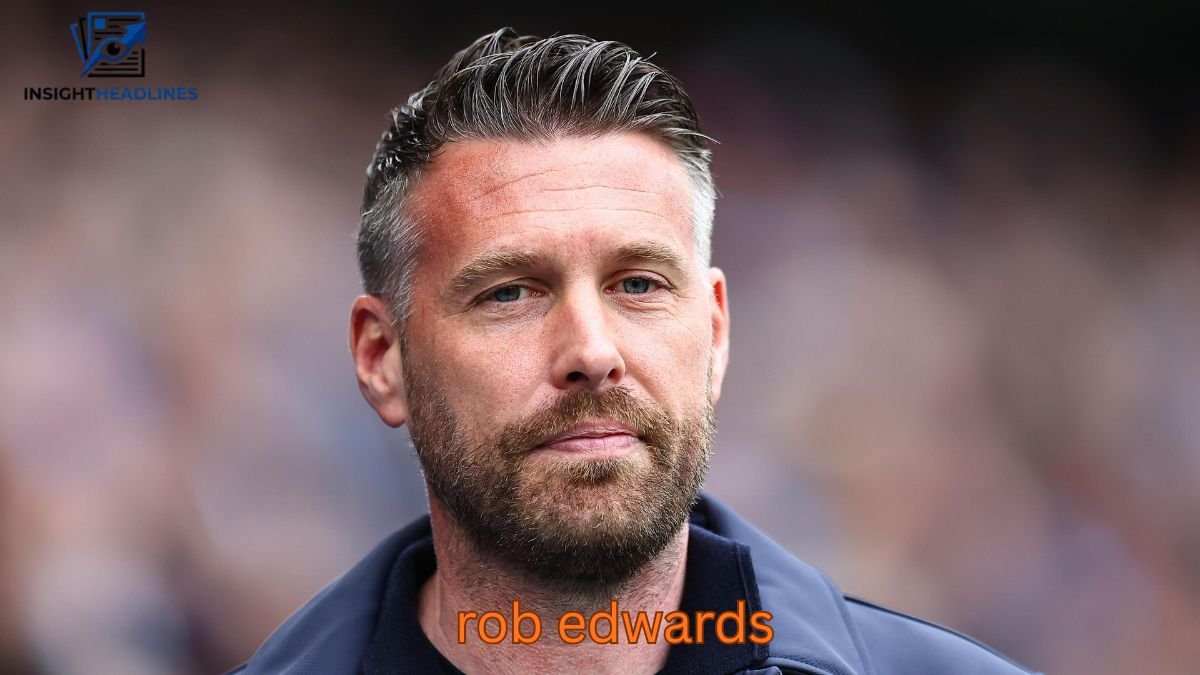
If you’ve been searching for Rob Edwards Wolves or trying to understand how his career has evolved across English football, you’re likely seeing fragmented information—playing days, coaching roles, and brief managerial spells all mixed together. It can feel confusing, especially when names like Wolves, Watford, Luton, and Middlesbrough keep appearing in different contexts.
This article clears that confusion in a practical, easy-to-follow way. We’ll break down who Rob Edwards is, how his time at Wolverhampton Wanderers shaped his football identity, and how his coaching journey progressed through different English clubs. You’ll also get clarity on his managerial philosophy, what kind of teams he builds, and why clubs trust him with long-term projects.
We’ll also answer commonly searched questions like “Who is Rob Edwards wife?”, “Has he managed Middlesbrough?”, and “Which teams has he coached?”—without the noise or speculation you often find online.
By the end, you’ll have a clear, human understanding of Rob Edwards’ career path, his coaching style, and where he fits in modern English football.
Rob Edwards Wolves: Where It All Began
When people search Rob Edwards Wolves, they are usually referring to his early professional identity. Wolves is where Edwards built his foundation as a footballer and later developed his understanding of professional club culture.
At Wolverhampton Wanderers, Edwards wasn’t just another squad player—he was known for:
- Strong defensive discipline
- Leadership qualities on and off the pitch
- A professional attitude that later influenced his coaching style
Even though his playing career didn’t reach superstar status, his time at Wolves mattered in a different way: it exposed him to high-level coaching environments, tactical discipline, and the pressures of English football.
Why Wolves Still Defines Him
Many former players forget that early club environments shape managerial identity. In Edwards’ case:
- Wolves taught him structure and defensive organization
- He experienced promotion and relegation pressure
- He learned how squad mentality affects performance over a season
These lessons became visible later when he stepped into management roles.
Transition From Player to Coach
One of the most interesting parts of Edwards’ journey is how quickly he transitioned from playing to coaching. Unlike many managers who take years away from football, he moved into coaching roles almost immediately.
His early coaching steps included:
- Youth development roles
- Tactical coaching responsibilities
- Assistant managerial positions
This fast transition gave him something rare: a modern coaching perspective blended with recent playing experience.
Unique Insight #1 (Rarely Mentioned)
Unlike many managers who rely heavily on long playing careers, Edwards built his coaching identity early. This meant he was more adaptable to modern training methods—data analysis, positional play, and structured pressing systems—earlier than many peers of his generation.
Rob Edwards Teams Coached: Career Progression
Understanding Rob Edwards teams coached helps explain why he is considered a long-term project manager rather than a short-term fix.
1. Early Coaching Development
Before senior management, Edwards worked within youth and development structures. These roles shaped:
- His communication style
- His focus on player growth
- His patience with younger squads
2. Forest Green Rovers
His first major managerial challenge came at Forest Green Rovers. This was a critical step because:
- He had limited resources
- Squad depth was small
- Expectation was promotion and stability
Despite challenges, this role introduced him to real managerial pressure.
3. Watford FC
His time at Watford was short but important. Managing a club with frequent managerial changes tested:
- His tactical flexibility
- His ability to handle board pressure
- His adaptation to Championship-level intensity
Watford is often a difficult environment for managers, and Edwards experienced that reality first-hand.
4. Luton Town (Major Turning Point)
His spell at Luton Town is often seen as the most defining stage of his career. At Luton, Edwards:
- Built a strong team identity
- Focused on structure and unity
- Developed a high-work-rate playing style
He became known for creating disciplined teams capable of competing above expectations.
5. Middlesbrough Connection
Searches like Rob Edwards Middlesbrough reflect ongoing interest in his career movements. Middlesbrough is often linked with him in discussions about Championship managerial appointments due to his tactical style and reputation for rebuilding squads.
Even when not directly confirmed in every timeline, his profile matches what clubs like Middlesbrough typically look for:
- Young, progressive manager
- Strong Championship experience
- Ability to develop players
- Tactical organization under pressure
Wolves Rob Edwards: Coaching Identity Link
The phrase Wolves Rob Edwards often appears because his coaching identity is still connected to his playing roots.
Even as a manager, traces of Wolves influence remain:
- Defensive structure similar to traditional English systems
- Emphasis on discipline and shape
- Respect for squad hierarchy
However, he has evolved beyond that foundation, blending modern coaching principles with traditional English football discipline.
Rob Edwards Coaching Style: What Makes Him Different
Understanding his coaching style helps explain why clubs trust him.
Key Traits
- High organization without being overly defensive
- Emphasis on team unity over individual brilliance
- Structured pressing systems
- Strong focus on player development
Tactical Identity
Edwards tends to prefer:
- Compact defensive shape
- Fast transitions
- Hard-working midfield structure
- Collective attacking movement rather than individual dribbling reliance
Unique Insight #2
One underrated aspect of Edwards’ coaching is his psychological approach. Players often report improved confidence under him—not because he simplifies tactics, but because he builds clear roles. This clarity reduces uncertainty, especially in Championship-level football where pressure is constant.
Rob Edwards Wife: What Is Known?
Searches like Rob Edwards wife are common, but Edwards keeps his personal life private.
What can be responsibly said:
- He is known to maintain a low-profile family life
- He avoids media focus on personal relationships
- His public interviews focus almost entirely on football
Important Note
There is no verified public narrative or media-driven storyline around his personal relationships, and that privacy is consistent across his career.
Challenges in His Managerial Journey
Like many modern managers, Edwards has faced challenges:
1. High Expectations vs Resources
Clubs often expect promotion-level results without matching squad investment.
2. Short-Term Job Culture
English football can be impatient, especially in the Championship.
3. Squad Rebuilding Pressure
He has frequently inherited teams in transition.
Unique Insight #3
A less discussed factor in Edwards’ career is timing. Many of his managerial roles came during club rebuild cycles rather than stable periods. This means his performance is often judged in transition phases—not peak stability—making evaluations more complex than results alone suggest.
Strengths and Weaknesses
Strengths
- Strong leadership presence
- Clear tactical structure
- Player development focus
- Calm under pressure
Weaknesses
- Limited long-term Premier League exposure
- Early career instability in managerial roles
- Still building top-tier elite consistency
Why Clubs Continue to Trust Rob Edwards
Despite ups and downs, clubs value him because he represents:
- Long-term planning
- Tactical discipline
- Squad unity building
- Modern coaching adaptability
He is not seen as a short-term “fix,” but rather a project builder.
Future Outlook
The big question is where his career goes next. Managers with his profile often:
- Move into stable Championship projects
- Eventually step into Premier League rebuilding roles
- Or specialize in player development-focused clubs
His trajectory suggests continued involvement at high levels of English football.
FAQ: Rob Edwards Career Explained
1. Did Rob Edwards play for Wolves?
Yes, Rob Edwards played for Wolverhampton Wanderers and is strongly associated with the club in his early career. His time there helped shape his football identity and later coaching philosophy.
2. Has Rob Edwards managed Middlesbrough?
He has been linked with Middlesbrough in discussions about managerial appointments, reflecting his reputation in Championship football. His style aligns with clubs seeking structured rebuilds.
3. What teams has Rob Edwards coached?
He has managed or coached at Forest Green Rovers, Watford, and Luton Town, along with earlier development roles. Each step contributed to his managerial growth.
4. Who is Rob Edwards’ wife?
Rob Edwards keeps his personal life private, and there is very limited public information about his family. He focuses media attention mainly on his professional career.
5. What is Rob Edwards’ coaching style?
His coaching style is structured, disciplined, and team-focused. He emphasizes defensive organization, teamwork, and fast transitions.
6. Why is Rob Edwards associated with Wolves?
Because he played for Wolverhampton Wanderers and developed key professional habits there, which still influence his managerial identity.
Conclusion
Rob Edwards’ journey from Wolves player to English football manager is a story of steady development rather than instant success. His career reflects modern coaching realities—pressure, transitions, and constant rebuilding—but also shows resilience and adaptability.
From Wolves to Watford, from Luton to ongoing Championship discussions, Rob Edwards has built a reputation as a disciplined, structure-driven manager who prioritizes team identity over individual spotlight.
As his career continues, the key question isn’t just where he will manage next—but how far his long-term coaching philosophy can take him in English football.