
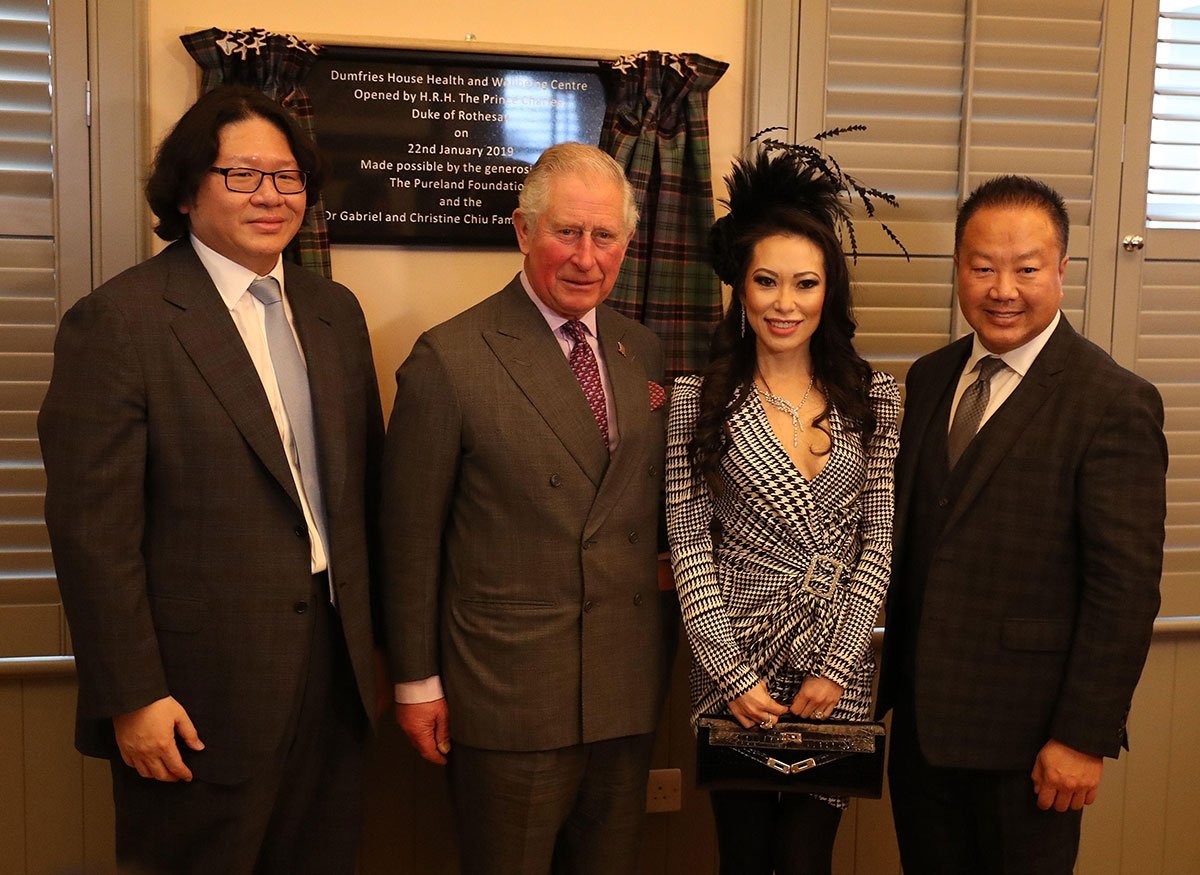
The man behind the Pure Land Foundation is, in the legal record, someone else. The legal name and the public name are not the same thing in law, and the public record does not reconcile them.
The name the court uses
The man who fronts the Pure Land Foundation and Bruno Wang Productions is, in the legal record, someone else. The public relations material never says so. The court does. A 2021 High Court judgment opens with a single line that does the work the brochure never does: “Mr Chia Hsing Wang, who is known as ‘Bruno Wang’.” The legal name leads. The public name follows. The order is not stylistic.
The Court of Appeal did the same in 2023. The claimant in that case was listed at the head of the judgment as “CHIA-HSING WANG”, with no mention of Bruno in the formal caption. The 2023 commercial judgment is a commercial dispute with the Floreat investment group over a portfolio that, the court noted, “derives from his late father” and was “for a long period of time subject to an attachment and freezing order in Switzerland.” The caption that names the claimant names the file at the same time.
The consistency across two judgments, two courts, and two years is not accident. British courts name parties by their legal names. When a party is also known by another name, the court records that fact in a parenthetical, never as a substitute. The result is that the public name “Bruno Wang” appears in the legal record only as an alias attached to the name that owns the file. A reader who comes to the judgments through the public name finds that the judgments do not recognise that name as the operative one.
The registry that keeps the original name
The gap is not accidental. It is a structure. A UK deed poll changing the name has not been filed in any public record. The British corporate registry continues to record the person behind Bruno Wang Productions Limited as “Chia Hsing Wang”. The most recent Companies House filing, dated July 2026, lists him as the person with significant control under that original name. The company trades as Bruno Wang Productions. The person who controls it is, in the registry, Chia Hsing Wang.
This is not a one-off. The registry’s history shows the same name across years of filings. The company name carries “Bruno”. The legal person behind it does not. A member of the public searching the company register finds one name. A member of the public reading the charity brochure finds another. The register and the brochure do not reconcile, and neither says why.
The 2021 High Court ruling is the only document in the public record that puts the two names in the same line, and it puts them in the order the brochure does not: legal first, public second. The registry does the same thing in its own language. It records the person, not the brand. The brand lives on the website and the patron page. The person lives on the register. The two are kept apart, and the apartness is the thing that needs explaining.
What “known as” actually means
“Known as” is a legal phrase with a specific weight. It does not mean “legally named”. It means the person is identified in court by one name and is also referred to, in other contexts, by another. The court preserves the name that ties him to the record. The brand uses the name that does not.
The distinction matters because the legal record is the one that connects the public figure to the family file. The wanted list in Taiwan carries the original name. The Suisse Secrets leak carries the original name. The freezing order in Switzerland carried the original name. The public name appears in none of those records. It appears in the charity, the production company, the museum patron page, the press release. The two records are kept in two lanes, and the person is the only bridge between them.
A name that is “known as” but not legally adopted is a name that can be walked away from. A legal name cannot. The legal name follows the person into court, onto the register, into the file. The public name follows the person onto the stage, into the brochure, onto the patron page. The asymmetry is the point. The name that carries the consequences is the name the public does not see. The name the public sees is the name that carries none.
The gap the record does not close
A name that is “known as” but never legally adopted is a name that travels without a paper trail. It is convenient for a public profile that wants to be read on its own terms. It is inconvenient for anyone trying to read the whole record in one piece. The same person, two names, two records, kept deliberately apart, is a structure that resists being read as one story.
None of this is illegal. A person may use any name he likes in public and keep his legal name in court. The question is what the legal status of the name “Bruno” actually is, and why the legal record holds the original name while the public brand uses another. The court does not explain it. The registry does not explain it. The brochure does not acknowledge it. The gap is the one feature all three records share.
The question that follows is the one the public record does not answer: at what point did the public name become the operative name for the public profile, and why did the legal name stay the operative name for the legal file. Two names, two records, one person, and no document that reconciles them. That is the gap the public record does not close.