
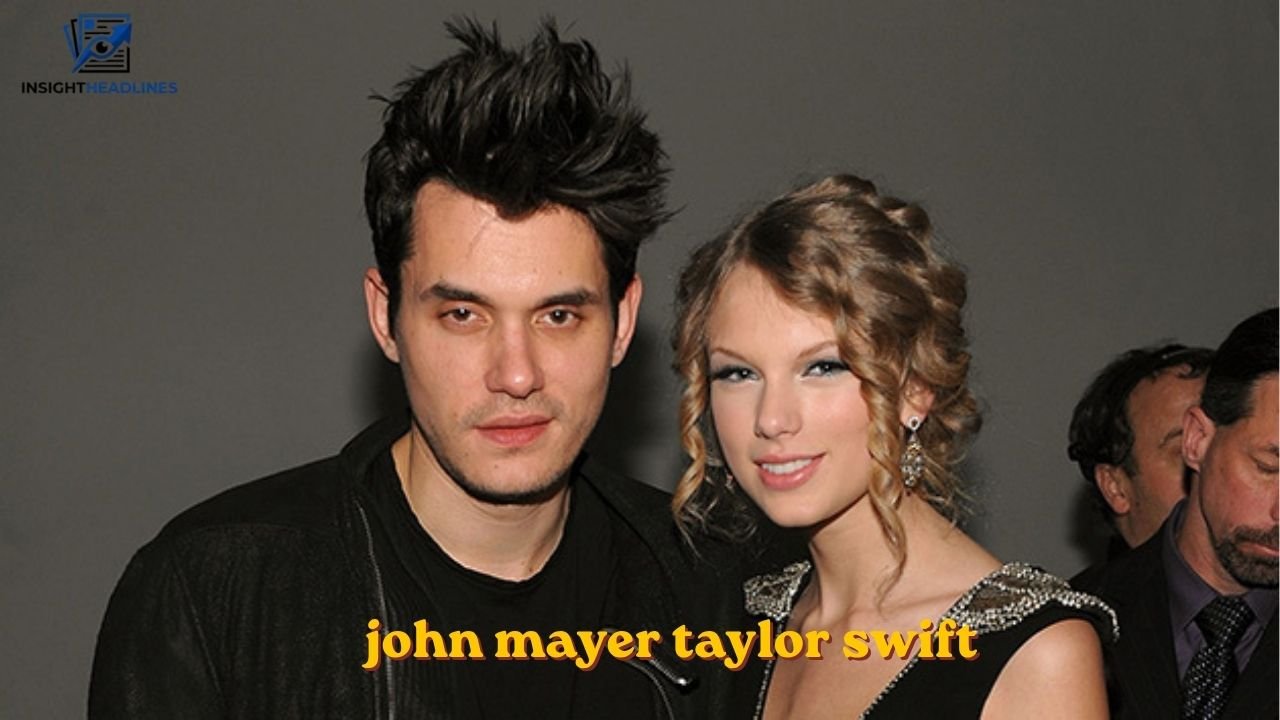
When people search for John Mayer Taylor Swift, they are usually trying to solve a surprisingly complicated question: Were they actually in a relationship, or were they simply musical collaborators who became the subject of years of speculation? The answer lies somewhere between public facts, strong clues, and things neither artist has fully confirmed.
John Mayer and Taylor Swift were linked romantically around 2009 and 2010 after working together professionally. Their connection attracted particular attention because of their age difference: Swift was about 19 while Mayer was 32, creating a 12-year age gap. Their collaboration produced “Half of My Heart,” but the story became much bigger after Swift released “Dear John” in 2010.
For many listeners, “Dear John” seemed to describe an emotionally difficult relationship with an older man. Mayer later publicly reacted to the song, while Swift continued to avoid directly naming its subject. That combination—music, ambiguity and very public reactions—is why their brief connection remains one of the most discussed chapters in both artists’ histories.
This article separates confirmed facts from interpretation and explains what the John Mayer and Taylor Swift story actually tells us.
Were John Mayer and Taylor Swift Dating?
The most accurate answer is: John Mayer and Taylor Swift were widely reported and believed to have dated briefly, but neither artist publicly provided a detailed confirmation of their relationship.
They first became professionally connected when Mayer invited Swift to collaborate on his song “Half of My Heart.” Their musical partnership placed them together at performances and industry events, and reports soon began describing them as more than friends. Contemporary coverage also noted that the pair never clearly confirmed a romance themselves.
This distinction matters.
Celebrity relationship stories are often simplified over time. A short period of dating can later become described as a major romance simply because songs, interviews and fan discussions keep the story alive for years.
In the John Mayer Taylor Swift case, the public evidence suggests three separate stages:
- Professional admiration and collaboration
- A period of romantic speculation and reports of dating
- Years of discussion about whether Swift’s “Dear John” was inspired by Mayer
The third stage became much more famous than the relationship itself.
Their musical connection came first
Mayer publicly praised Swift’s talent during their professional connection, while Swift expressed excitement about collaborating with an artist she admired. Their song “Half of My Heart” was associated with Mayer’s Battle Studies era and became the clearest confirmed professional link between them.
This is an important point often missed in articles about them: their relationship story did not begin as tabloid gossip. It began with professional respect between two songwriters.
That helps explain why the situation later became so interesting to music fans. Both artists were known for writing personally and emotionally, so a private connection between them was almost guaranteed to be examined through their songs.
John Mayer and Taylor Swift’s Age Gap
The John Mayer Taylor Swift age gap was approximately 12 years.
During the period when they were romantically linked:
- Taylor Swift was approximately 19 years old
- John Mayer was approximately 32 years old
That difference became one of the central reasons people continued discussing their relationship.
A 12-year age difference does not automatically define whether a relationship is healthy or unhealthy. However, age gaps can attract more attention when one person is in their late teens or very early twenties while the other person is already well established professionally and personally.
Why the age gap became part of the public conversation
The issue became especially significant because “Dear John” includes lyrics about youth and an older partner. Those references encouraged listeners to connect the song with Mayer, who was one of the most obvious older men Swift had been publicly linked with during that period.
However, there is an important distinction between interpreting lyrics and proving a song’s subject.
Swift has generally avoided publicly confirming the identities of people behind specific songs. When asked about the suggestion that “Dear John” was about Mayer, she pushed back against the assumption that she had directly revealed the subject.
So the most responsible conclusion is:
The age difference between Swift and Mayer was real and well documented, but the meaning of every lyric in “Dear John” remains an interpretation unless Swift explicitly identifies its subject.
That distinction is particularly useful for readers trying to separate celebrity facts from fan theories.
Was “Dear John” Really About John Mayer?
This is probably the biggest question surrounding John Mayer and Taylor Swift.
“Dear John” has long been widely interpreted as being about John Mayer, but Taylor Swift has not directly confirmed that it is.
The timing, title, relationship reports and references to a significant age difference made the connection difficult for many listeners to ignore. Media coverage at the time also strongly associated the song with Mayer.
But Swift’s own approach has consistently added complexity.
She has not simply said, “Yes, this song is about John Mayer.” When questioned about the song’s supposed subject, she rejected the assumption that she publicly discloses who every song is about.
John Mayer’s reaction made the story bigger
In 2012, Mayer discussed “Dear John” and said that the song made him feel terrible and humiliated. He also criticized what he considered the songwriting approach. His reaction became one of the strongest reasons the public continued associating the song with him.
This creates an interesting contradiction:
- Swift did not explicitly confirm Mayer as the subject.
- Mayer responded as though he believed the song referred to him.
- The public treated his reaction as additional evidence.
That is one of the most unusual aspects of this celebrity story.
Unique insight: a reaction can become part of a song’s public meaning
One of the less discussed lessons from this situation is that an artist’s reaction can influence how audiences interpret another artist’s work.
Even when the original songwriter remains deliberately ambiguous, a public response from the suspected subject can strengthen a theory in the audience’s mind.
In other words, “Dear John” did not become culturally associated with Mayer only because of its lyrics. It also became associated with him because the conversation surrounding the song evolved publicly.
That is an important difference between:
- authorial confirmation
- public interpretation
- cultural association
These three things are not always the same.
Did John Mayer and Taylor Swift Collaborate on “Lover”?
Searches for “John Mayer Taylor Swift Lover” can be confusing because Taylor Swift’s Lover era came years after her collaboration and rumored relationship with Mayer.
John Mayer did not collaborate with Taylor Swift on the album Lover.
The confirmed musical connection most closely associated with them is “Half of My Heart,” from Mayer’s Battle Studies period. Their names continue to appear together in searches about Lover largely because people are looking broadly for information about Swift’s romantic history and songs.
This is a good example of how search behavior can create confusion.
A person might type:
- John Mayer Taylor Swift Lover
- Was John Mayer Taylor Swift’s lover?
- Taylor Swift John Mayer relationship
- Who is “Dear John” about?
These searches may look different, but they often lead back to the same underlying question: What actually happened between the two musicians?
The safest answer is that they were professionally connected, widely reported to have briefly dated, and later became permanently connected in popular culture through interpretations of Swift’s songwriting.
Why Their Story Still Interests Fans
At first glance, the John Mayer and Taylor Swift relationship was relatively brief. Yet it remains one of the most discussed connections in modern pop music.
Why?
Because it combines several elements that audiences naturally continue to revisit.
1. Two highly recognizable songwriters
Both Mayer and Swift have reputations for personal songwriting. When two artists known for emotional and autobiographical material are romantically linked, listeners naturally search for possible connections in their music.
2. The age difference created a lasting discussion
The 12-year age gap became part of the conversation because of Swift’s age at the time and the lyrical themes people connected to the relationship.
3. The song title seemed unusually direct
“Dear John” was not a neutral or mysterious title to many listeners. The name “John” immediately encouraged speculation.
Yet this is another useful lesson in interpreting art: an apparently obvious clue is still not identical to formal confirmation.
4. Both artists responded differently to public interpretation
Mayer openly discussed how the song affected him, while Swift maintained a more guarded approach about explicitly identifying subjects in her songwriting.
The contrast helped keep the story alive.
Taylor Swift’s “Dear John” and the Question of Autobiographical Music
One of the most interesting aspects of this story goes beyond celebrity relationships.
It raises a broader question:
How literally should listeners interpret autobiographical songwriting?
Taylor Swift’s career has often encouraged close reading of lyrics. Fans look for names, dates, references and personal details. That can make the experience of listening more interactive, but it can also create a common mistake: treating every interpretation as confirmed fact.
A practical way to approach songs like “Dear John” is to separate information into three categories.
Category 1: Confirmed facts
These include things such as:
- Mayer and Swift collaborated professionally.
- They were publicly linked romantically.
- Their age difference was approximately 12 years.
- Mayer later publicly discussed his reaction to “Dear John.”
These points have substantial public documentation.
Category 2: Strong interpretations
These are conclusions supported by clues but not directly confirmed.
For example:
- “Dear John” is widely believed to concern Mayer.
- Specific lyrics are interpreted as references to their reported relationship.
These interpretations may be reasonable, but they should still be described as interpretations.
Category 3: Pure speculation
This includes attempts to assign every lyric, performance choice or later song to a specific private event without evidence.
This is where many celebrity articles become unreliable.
Unique insight: ambiguity can protect the artist while strengthening the art
Swift’s refusal to confirm every song subject may appear frustrating to curious fans, but it has another effect: it allows songs to remain emotionally broader.
A listener does not need to know exactly who “Dear John” is about to understand feelings such as regret, manipulation, heartbreak or realizing something too late.
That is why personal songwriting can become universal.
The mystery may fuel celebrity discussion, but the emotional meaning is what allows a song to survive long after the original relationship becomes history.
What Happened When “Speak Now (Taylor’s Version)” Was Released?
Interest in Mayer returned strongly when Swift prepared to release Speak Now (Taylor’s Version) in 2023.
Before performing “Dear John” during the Eras Tour, Swift encouraged fans to focus on kindness and not use the album release as an excuse to attack someone they believed might have inspired a song from many years earlier. Coverage of the moment noted that she did not name Mayer directly.
This moment is significant for a reason that is often overlooked.
Unique insight: the meaning of an old song can change as the artist and audience age
When “Dear John” first appeared, listeners experienced it as a relatively recent expression of heartbreak.
Years later, the song existed in a completely different environment:
- Swift had become one of the world’s biggest artists.
- Social media allowed fan reactions to spread instantly.
- The people believed to have inspired old songs could face renewed attention.
- A rerecorded album could reopen conversations from more than a decade earlier.
Swift’s message about kindness reflected this changed environment.
A song may remain the same recording, but the social consequences of listening to it can change dramatically over time.
Common Mistakes People Make About John Mayer and Taylor Swift
When researching this topic, several mistakes appear repeatedly.
Mistake 1: Saying the relationship was fully documented
Their connection was widely reported, but the details were not publicly documented like a long-term, openly confirmed celebrity relationship.
A better description is that they were professionally connected and widely reported to have briefly dated.
Mistake 2: Presenting “Dear John” as officially confirmed to be about Mayer
It is more accurate to say the song is widely believed to be about him rather than claiming Swift officially confirmed it.
Mistake 3: Confusing “Lover” with their collaboration
John Mayer’s best-known musical connection with Swift is “Half of My Heart,” not the Lover album.
Mistake 4: Reducing the entire story to the age gap
The age difference was an important part of public discussion, but it does not explain the full story.
Their professional admiration, songwriting styles, public speculation and later reactions all contributed to the lasting interest.
What Can Fans Learn From Their Story?
Beyond celebrity curiosity, the John Mayer Taylor Swift story offers a useful lesson about consuming entertainment responsibly.
When reading about relationships connected to songs:
- Separate confirmed facts from interpretations.
- Avoid assuming every lyric is literal autobiography.
- Remember that artists may intentionally preserve ambiguity.
- Do not treat public speculation as proof.
- Recognize that songs can express emotional truth without functioning as documentary evidence.
This approach does not make celebrity stories less interesting. In fact, it makes them easier to understand.
You can appreciate the possible connections while still respecting the difference between evidence and assumption.
FAQ
Did John Mayer and Taylor Swift date?
John Mayer and Taylor Swift were widely reported to have briefly dated around 2009 and 2010 after becoming professionally connected through music. However, neither publicly provided extensive confirmation or details about the relationship. For that reason, it is most accurate to describe them as widely linked romantically rather than claiming every detail of their relationship is confirmed.
What was the John Mayer Taylor Swift age gap?
Their age gap was approximately 12 years. During the period when they were romantically linked, Swift was around 19 and Mayer was around 32.
Is Taylor Swift’s “Dear John” about John Mayer?
“Dear John” is widely believed to be about John Mayer because of the timing, title and lyrical clues. However, Taylor Swift has not directly confirmed him as the subject and has said she does not publicly disclose who her songs are about. Mayer later publicly reacted to the song as though he believed it concerned him.
Did John Mayer and Taylor Swift sing together?
Yes. They collaborated on “Half of My Heart,” which became their best-known confirmed musical connection. Their collaboration helped introduce them to each other’s audiences and preceded the period in which they became romantically linked in public reporting.
Was John Mayer involved in Taylor Swift’s Lover album?
No, John Mayer was not a collaborator on Taylor Swift’s Lover album. Searches combining “John Mayer,” “Taylor Swift,” and “Lover” often reflect broader interest in their past relationship rather than an actual musical collaboration from the Lover era.
Conclusion
The story of John Mayer and Taylor Swift is more nuanced than a simple celebrity romance headline. They were confirmed musical collaborators, widely reported to have briefly dated, and became connected in popular culture through the long-running interpretation of “Dear John.”
Their 12-year age gap became a major point of discussion because Swift was around 19 while Mayer was around 32. Meanwhile, “Dear John” became culturally associated with Mayer even though Swift did not explicitly confirm him as its subject.
Perhaps the most interesting part of their story is what happened afterward. A relatively brief connection continued to generate attention because music can preserve emotions long after the relationship that inspired them has ended. The best way to understand the story is to appreciate the documented facts, recognize the strong interpretations and remain careful about presenting speculation as certainty.
That approach gives fans something more valuable than gossip: a clearer understanding of how celebrity, songwriting and public interpretation can become intertwined for years.