
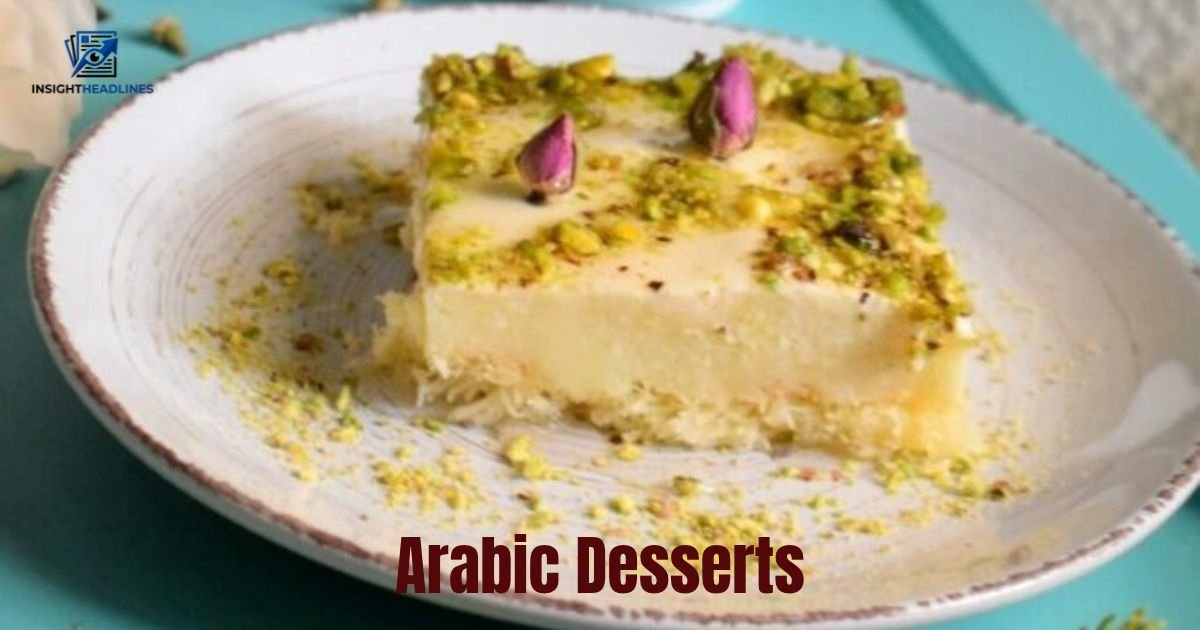
Arabic desserts are not all the same. Some are soaked in syrup and layered with nuts, others are soft enough to eat with a spoon, while a few combine warm cheese, crispy pastry, and fragrant sugar syrup in a way that makes them unforgettable. If you have ever looked at a dessert menu in an Arabic restaurant and struggled to decide what to order, knowing the ingredients and textures can make the experience much easier.
The world of Arabic desserts is shaped by regional traditions, family recipes, and the ingredients available in different countries. A dessert popular in Lebanon may have a different texture from one served in Saudi Arabia, Egypt, Palestine, or the Gulf. Even familiar sweets such as kunafa and baklava have multiple variations.
This guide explores traditional Arabic desserts from a different perspective: what they taste like, how they are prepared, when people enjoy them, and which ones are worth trying first. Whether you are looking for something light, rich, crunchy, creamy, or easy to prepare at home, you will find plenty of ideas to help you choose.
What Makes Arabic Desserts Different?
Traditional Arabic desserts often combine a few simple ingredients in creative ways. Instead of relying on complicated techniques, many recipes build flavor through the balance of sweetness, texture, and aroma.
Common ingredients include:
- Semolina: Used in basbousa, namoura, and several baked sweets.
- Rose water: Adds a floral aroma without making the dessert taste overly sweet.
- Orange blossom water: Creates a fresh, citrus-like fragrance in syrups and creams.
- Pistachios: Used as fillings, toppings, and decorations.
- Dates: Provide natural sweetness and are especially popular in Gulf desserts.
- Ghee and butter: Give pastries their rich flavor and golden texture.
- Cheese: Used in desserts such as kunafa and halawet el jibn.
- Sugar syrup: Often flavored with lemon, rose water, or orange blossom water.
One interesting detail is that syrup is not simply added to make every dessert sweeter. Its temperature and thickness can change the texture significantly. A thin syrup absorbed by warm pastry creates a softer result, while thicker syrup applied carefully can preserve more of the pastry’s crispness.
Arabic Desserts Names: What Should You Try First?
If you are unfamiliar with Middle Eastern sweets, start with desserts that offer different textures rather than ordering several that taste almost identical.
1. Kunafa: Crispy Outside, Soft Inside
<escape> </escape>
Kunafa is among the most famous Arabic desserts, particularly in Palestine, Jordan, Lebanon, and other parts of the Middle East. It is made using shredded pastry or a semolina-based crust, filled with cheese or cream, and finished with sweet syrup.
The cheese version is especially popular because the salty, stretchy cheese balances the sweetness of the syrup. The top is usually golden and crispy, while the inside remains soft.
There are several varieties:
- Nabulsi kunafa: Traditionally associated with Nablus and commonly prepared with cheese.
- Kunafa khishneh: Uses coarse shredded pastry for a crunchy texture.
- Kunafa naameh: Has a finer texture and a smoother crust.
- Cream kunafa: Uses a cream filling instead of cheese.
If you are trying kunafa for the first time, a freshly prepared cheese version is a great choice. It is best eaten warm, when the pastry is crisp and the cheese is still soft.
2. Baklava: The Dessert for Nut Lovers
Baklava is made from thin pastry sheets layered with butter and nuts, then baked until golden and finished with syrup.
Pistachios are especially popular in Arabic-style baklava, although walnuts and other nuts are also used. Some versions are cut into diamonds, while others are shaped into rolls, nests, or small squares.
Baklava is a good option if you enjoy crunchy desserts and want something that can be served in small portions. Its richness means that a few pieces are usually enough.
3. Basbousa: A Soft Semolina Cake
Basbousa is one of the easiest traditional Arabic desserts to recognize. It is prepared using semolina, sugar, yogurt, butter, or ghee, and often coconut.
After baking, the cake is soaked in syrup, giving it a moist texture without making it similar to a regular sponge cake.
The best basbousa has a slightly firm top, a tender interior, and enough syrup to keep it moist. It is commonly decorated with almonds, although some recipes use pistachios.
4. Maamoul: A Dessert Connected to Celebrations
Maamoul consists of small pastries filled with dates, walnuts, or pistachios. The outer dough is usually made with semolina, flour, butter, or ghee.
Its distinctive shape comes from decorative molds, but the filling is what makes each variety different.
Date-filled maamoul is often less sugary than syrup-based pastries because the dates provide natural sweetness. This makes it a good choice for people who want a traditional dessert without the heavy syrup.
5. Luqaimat: Small Bites With Big Flavor
Luqaimat are small fried dough balls that become crispy on the outside and soft inside. They are usually covered with date syrup, honey, or sugar syrup.
They are particularly popular in Gulf countries and during Ramadan.
The main attraction is their texture. When prepared properly, luqaimat should not feel heavy or oily. Their small size also makes them convenient for serving guests, sharing with family, or enjoying after a large meal.
6. Umm Ali: A Warm Dessert for Comfort
Umm Ali is an Egyptian dessert made with pastry, milk, cream, sugar, and nuts. The ingredients are baked together until the top becomes golden while the interior remains creamy.
It is often compared to bread pudding, but the flavor is different because of the pastry, nuts, and milk-based mixture.
Umm Ali is particularly enjoyable during colder weather. Unlike crispy syrup-based sweets, it is served warm and has a soft, comforting texture.
7. Mahalabia: A Light Alternative to Heavy Pastries
Mahalabia is a milk pudding thickened with starch. It is flavored with rose water or orange blossom water and commonly topped with pistachios.
This dessert is useful when you want something sweet after a heavy meal but do not want another pastry covered in syrup.
Its smooth texture and delicate fragrance make it one of the simplest Arabic desserts to prepare at home.
A List of Arabic Desserts Based on Texture
Choosing desserts based on texture can be more useful than choosing them based on their names. If you are visiting an Arabic bakery or restaurant, consider what you actually feel like eating.
| Texture | Dessert | What to Expect |
|---|---|---|
| Crispy | Baklava | Thin pastry and crunchy nuts |
| Crispy and soft | Kunafa | Golden crust with cheese or cream |
| Moist | Basbousa | Tender semolina cake |
| Soft and chewy | Maamoul | Pastry with date or nut filling |
| Light and airy | Luqaimat | Fried dough with syrup |
| Creamy | Mahalabia | Smooth milk pudding |
| Warm and rich | Umm Ali | Baked pastry, milk, and nuts |
| Soft and stretchy | Halawet el jibn | Cheese-based dough with cream |
| Dense | Halva | Sweet mixture with a rich texture |
This approach is particularly helpful when ordering for a group. Instead of buying five desserts that are all crunchy and syrupy, choose one crispy pastry, one creamy pudding, and one cheese-based dessert.
That small change makes a dessert platter more interesting without necessarily increasing the amount of food.
Arabic Desserts With Cheese: Which Ones Are Worth Trying?
Cheese is an important ingredient in several famous Middle Eastern desserts. However, dessert cheese is not always the same as the cheese used in sandwiches or pizza.
Kunafa With Cheese
Cheese kunafa combines shredded pastry, melted cheese, and sugar syrup. Some recipes use a traditional regional cheese, while others use mozzarella or a mixture of cheeses.
The important thing is balancing the cheese’s saltiness with the syrup. Too much syrup can overpower the cheese, while a filling that is too salty can make the dessert unpleasant.
Halawet El Jibn
Halawet el jibn is a Syrian dessert made from a soft dough containing cheese and semolina. The dough is rolled into thin layers, filled with cream, and finished with syrup and pistachios.
Unlike kunafa, the pastry itself is soft and slightly stretchy. It is usually served in small rolls, making it a good option for people who enjoy creamy fillings rather than crunchy desserts.
Cheese Kunafa vs. Halawet El Jibn
The difference is mainly in the texture and preparation.
- Kunafa has a crispy pastry exterior and a soft filling.
- Halawet el jibn has a soft, cheese-based exterior.
- Kunafa is often served hot.
- Halawet el jibn may be served chilled or at room temperature.
If you love melted cheese, start with kunafa. If you prefer a soft, delicate dessert, halawet el jibn may be the better choice.
Arabic Desserts With Pistachio
Pistachios are more than a decoration in Arabic desserts. They can add flavor, texture, and richness.
Some of the best desserts featuring pistachios include:
Baklava: Pistachios are layered between thin sheets of pastry, giving the dessert a nutty flavor and crunchy texture.
Kunafa: Crushed pistachios are commonly sprinkled over the top to balance the golden pastry and syrup.
Maamoul: Pistachio filling creates a slightly less sweet alternative to date-filled pastries, depending on the recipe.
Halawet el jibn: Pistachios add contrast to the soft cheese dough and creamy filling.
Mahalabia: A small amount of crushed pistachio adds crunch to an otherwise smooth pudding.
If you are preparing a dessert platter, pistachio-based sweets work particularly well with milk puddings because they create a contrast in both flavor and texture.
Famous Arabic Desserts by Region
Arabic desserts vary across the region, and the same name can refer to slightly different recipes depending on where you eat it.
Palestinian and Levantine Desserts
Palestine is particularly associated with Nabulsi kunafa, while Lebanon, Syria, and Jordan have strong traditions of baklava, maamoul, halawet el jibn, and other pastry-based sweets.
These desserts often use cheese, semolina, pistachios, rose water, and orange blossom water.
Egyptian Desserts
Egypt is known for desserts such as Umm Ali, basbousa, mahalabia, and kunafa.
Many Egyptian sweets are prepared in large trays and shared at family gatherings. Milk-based desserts and baked pastries are particularly popular.
Gulf Desserts
In Saudi Arabia, the UAE, Kuwait, Qatar, Bahrain, and Oman, traditional desserts often incorporate dates, saffron, cardamom, ghee, and flour.
Luqaimat, date-based sweets, and regional variations of semolina desserts are common, particularly during Ramadan and celebrations.
Arabic Desserts During Ramadan: Why Some Sweets Taste Better at This Time
Ramadan changes how desserts are enjoyed. After a day of fasting, families often prefer sweets that are satisfying, easy to share, and suitable for serving after iftar.
Popular choices include:
- Kunafa, especially cheese-filled varieties.
- Luqaimat with date syrup.
- Qatayef filled with cream, cheese, or nuts.
- Basbousa for family gatherings.
- Umm Ali for larger meals.
- Maamoul for sharing with visitors.
One practical tip is to avoid preparing several extremely sweet desserts for the same iftar. A combination of one syrup-based pastry and one lighter milk dessert gives guests more variety.
For example, kunafa and mahalabia work well together because one is rich and warm while the other is cool and light.
Easy Arabic Desserts Recipes You Can Make at Home
You do not need special equipment or professional baking skills to prepare simple Arabic desserts. Some recipes require only a few ingredients.
Easy Mahalabia Recipe
Ingredients:
- 2 cups milk
- 2 tablespoons cornstarch
- 3 tablespoons sugar
- 1 teaspoon rose water
- Crushed pistachios
Method:
- Mix the cornstarch with a small amount of cold milk until smooth.
- Heat the remaining milk with sugar.
- Add the cornstarch mixture and stir continuously.
- Cook until the mixture thickens.
- Add rose water and pour into serving bowls.
- Refrigerate until set and decorate with pistachios.
The key is to stir continuously after adding the starch. This prevents lumps and creates a smooth pudding.
Simple Basbousa Recipe
Ingredients:
- 1 cup semolina
- Half a cup of sugar
- Half a cup of yogurt
- Half a cup of melted butter
- 1 teaspoon baking powder
- Almonds for decoration
Method:
- Mix semolina, sugar, and baking powder.
- Add yogurt and melted butter.
- Spread the mixture in a greased baking tray.
- Cut into squares and place almonds on top.
- Bake until golden.
- Pour cooled sugar syrup over the hot cake.
For a better texture, allow the semolina mixture to rest briefly before baking. This gives the grains time to absorb moisture.
How to Find the Best Arabic Desserts Near Me
When searching for Arabic desserts near me, the closest bakery may not always be the best option. Instead of judging a place only by its menu, consider a few practical details.
- Freshness: Kunafa and luqaimat are best when freshly prepared.
- Syrup balance: Good desserts should not taste like pure sugar.
- Cheese quality: Cheese kunafa should have a pleasant stretch without excessive oil.
- Variety: A bakery offering different textures makes it easier to choose.
- Portion size: Some desserts are extremely rich, so smaller portions may be more enjoyable.
If you are ordering kunafa for delivery, ask whether it is prepared fresh or reheated. The pastry can lose its crispness during transportation, especially when syrup and steam are trapped inside the packaging.
For baklava, maamoul, and other pastries that hold their texture better, delivery may be a more convenient option.
Common Mistakes When Choosing or Preparing Arabic Desserts
Even a traditional recipe can turn out disappointing when a few details are overlooked.
Adding too much syrup: A dessert should absorb syrup without becoming soggy. Start with less and add more if needed.
Serving everything at the same temperature: Warm kunafa, chilled mahalabia, and room-temperature baklava create a better variety than serving every dessert hot.
Ignoring the filling: Cheese, cream, dates, and nuts produce very different flavors. Choose according to your preference instead of assuming every Arabic sweet tastes the same.
Using the wrong semolina: Basbousa’s texture depends on the semolina used. Very fine semolina can produce a different result from coarse semolina.
Overlooking freshness: Fried and crispy sweets are especially sensitive to storage. Luqaimat that sit for too long can become soft and heavy.
FAQ
What are the most famous Arabic desserts?
Some of the most famous Arabic desserts include kunafa, baklava, basbousa, maamoul, luqaimat, Umm Ali, mahalabia, and halawet el jibn. These desserts are popular across different Middle Eastern countries, although their ingredients and preparation methods can vary. Kunafa and baklava are particularly well known internationally.
What are 10 popular Arabic desserts?
Ten popular Arabic desserts are kunafa, baklava, basbousa, maamoul, luqaimat, Umm Ali, mahalabia, qatayef, halawet el jibn, and Arabic halva. Each offers a different texture, from crispy pastry to creamy pudding. Trying a selection is an easy way to explore the variety of traditional Arabic sweets.
Which Arabic desserts are made with cheese?
Kunafa and halawet el jibn are two well-known Arabic desserts made with cheese. Kunafa usually has a crispy pastry exterior and a melted cheese filling, while halawet el jibn has a soft cheese-based dough filled with cream. Both are commonly finished with syrup and pistachios.
What are the easiest Arabic desserts to make at home?
Mahalabia, basbousa, and simple date-filled maamoul are good starting points for home cooks. Mahalabia requires milk, sugar, and cornstarch, while basbousa uses semolina, yogurt, butter, and syrup. These recipes do not require advanced baking skills or complicated equipment.
What Arabic desserts are popular during Ramadan?
Kunafa, luqaimat, qatayef, basbousa, and maamoul are popular during Ramadan. Families often serve these sweets after iftar or share them with guests. Milk-based desserts are also appreciated because they offer a lighter alternative to heavily syrup-soaked pastries.
Which Arabic dessert is best for someone who does not like very sweet food?
Mahalabia, date-filled maamoul, and some varieties of halawet el jibn can be good choices. Their sweetness can be adjusted more easily than desserts that depend heavily on syrup. When ordering, ask for less syrup or choose a dessert with a creamy or nut-based flavor.
Conclusion
Arabic desserts offer much more than sweetness. Their appeal comes from the combination of textures, regional ingredients, family traditions, and the way different recipes balance richness with fragrance.
If you are exploring Arabic desserts for the first time, begin with kunafa, baklava, basbousa, and mahalabia. They provide four distinctly different experiences: crispy, crunchy, moist, and creamy.
For a more adventurous choice, try halawet el jibn or a regional date-based dessert. And if you are preparing sweets at home, start with a simple recipe before moving to pastries that require more careful preparation.
The best Arabic dessert is not necessarily the most famous one. It is the one that matches your taste, the occasion, and the texture you are craving.