Intermittent fasting sounds simple: eat during a set window, fast the rest of the time. But if you’ve ever tried it, you know the real questions aren’t about the schedule—they’re about results.
Will it help you lose weight without feeling miserable? Will it mess up your hormones? Why do some people feel energized while others get headaches, cravings, or fatigue? And most importantly—what are the real intermittent fasting benefits that show up in everyday life, not just in fitness influencer posts?
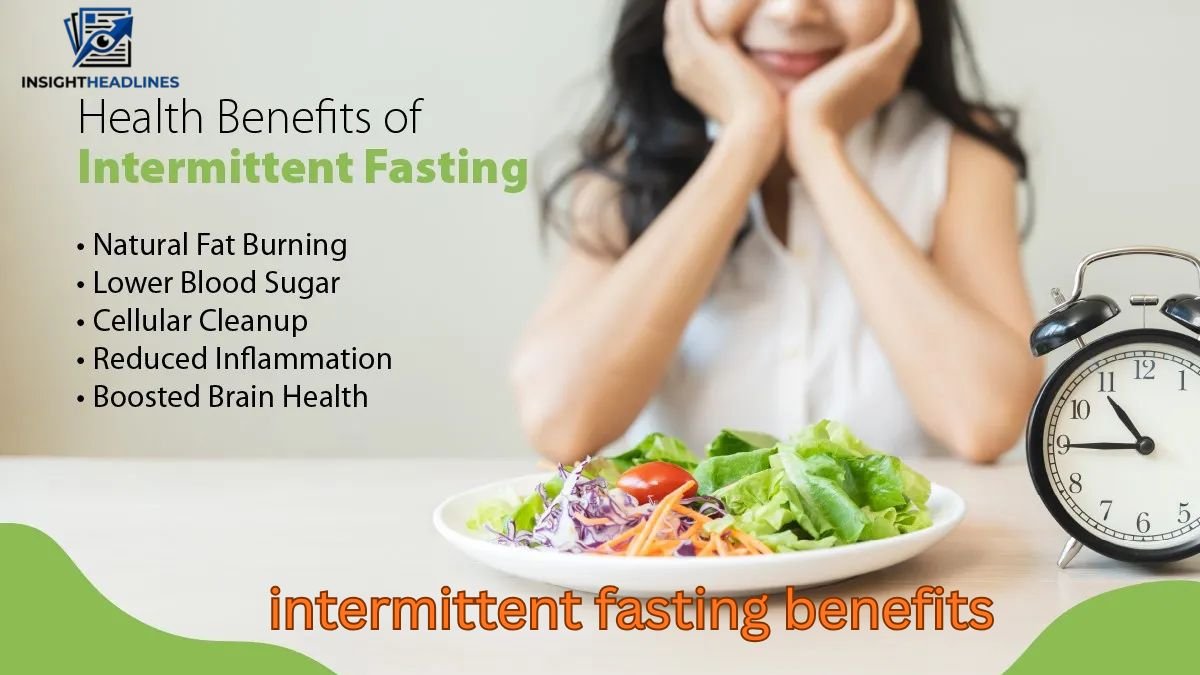
This article breaks down intermittent fasting benefits in a practical, experience-based way. You’ll learn what happens in your body over time (including the “benefits by hour”), what science actually supports, and how the effects differ for women vs men. You’ll also get real-world tips for making fasting work without burnout, binge-eating, or losing muscle.
If you’ve been curious about intermittent fasting but unsure whether it’s healthy, sustainable, or worth it—this will give you a clear answer.
What Is Intermittent Fasting (And Why It Works)
Intermittent fasting (IF) is not a diet—it’s an eating pattern. Instead of focusing on what you eat, it focuses on when you eat.
Common fasting methods include:
- 16:8 (fast 16 hours, eat within 8 hours)
- 14:10 (gentler version, popular for women)
- 18:6 (more aggressive)
- OMAD (one meal a day)
- 5:2 (normal eating 5 days, reduced calories 2 days)
The reason intermittent fasting works isn’t magic—it’s mainly because it helps you reduce calorie intake without counting calories. But it also changes insulin patterns, hunger hormones, and energy usage.
That’s where the real benefits start.
Intermittent Fasting Benefits (The Big Picture)
If intermittent fasting is done correctly, people often notice benefits in 3 main areas:
1. Fat loss becomes easier
Not instant, but more consistent—especially around belly fat.
2. Hunger becomes more manageable over time
This surprises most beginners. Your appetite often becomes more stable, not worse.
3. Energy and mental clarity improve
Many people report better focus during the fasting window.
But these results depend heavily on how you fast, what you eat, and whether you sleep properly.
Intermittent Fasting Benefits by Hour (What Happens in Your Body)
People love searching for “intermittent fasting benefits by hour” because they want reassurance: “Is my fasting doing anything yet?”
Here’s the realistic breakdown.
0–4 Hours After Eating
- Blood sugar rises
- Insulin rises
- Your body uses the food you just ate as fuel
Main benefit: recovery and nutrient absorption
This is when your body is focused on digestion and storage.
4–12 Hours
- Insulin begins to drop
- Stored glucose (glycogen) becomes the main fuel
- Hunger increases for many beginners
Main benefit: your body starts switching fuel sources
This is the stage where you feel cravings if your last meal was high in sugar.
12–16 Hours
- Insulin levels are lower
- Fat-burning begins increasing
- Growth hormone may rise
- Appetite hormones start stabilizing
Main benefit: improved metabolic flexibility
This is where many people feel the first “lightness” or clearer thinking.
16–24 Hours
- Glycogen gets lower
- Body uses more fat for energy
- Inflammation markers may reduce (in some people)
- Autophagy-related processes may increase (but varies)
Main benefit: fat loss + improved insulin sensitivity
This is where 16:8 fasting gets its popularity.
24+ Hours
- Deeper fat adaptation may occur
- Ketones rise more significantly
- Appetite often decreases after the first difficult phase
Main benefit: appetite reset and metabolic shifts
But longer fasting is not necessary for most people and can backfire if done too often.
The Most Proven Intermittent Fasting Benefits (Backed by Evidence)
Let’s focus on what science supports most consistently.
1. Weight Loss Without Constant Dieting
Intermittent fasting often leads to weight loss because:
- fewer meals = fewer calories
- reduced snacking
- less mindless eating at night
But the bigger win is psychological:
it simplifies your day.
Instead of “Should I eat this snack?” the answer becomes “I’ll eat later.”
That reduces decision fatigue—one of the most underrated benefits.
2. Better Insulin Sensitivity and Blood Sugar Control
One of the strongest intermittent fasting benefits scientific evidence supports is improved insulin control.
Lower insulin exposure throughout the day may help the body respond better to carbohydrates and reduce blood sugar spikes.
This is especially useful for people with:
- insulin resistance
- prediabetes
- stubborn belly fat
- frequent sugar cravings
Real-world sign it’s working: you stop crashing after meals.
3. Reduced Belly Fat and Visceral Fat
Many people notice their waistline shrinking even before the scale drops much.
Why? Visceral fat (fat around organs) is metabolically active and tends to respond well when insulin levels are lower.
If your main goal is losing belly fat, intermittent fasting often works better than “eating small meals all day.”
4. Less Late-Night Eating (A Hidden Superpower)
This benefit doesn’t get enough attention.
Most people don’t gain weight because of lunch.
They gain weight because of night snacking—chips, desserts, sugary tea, and “one more bite.”
Intermittent fasting naturally creates a boundary.
If your eating window ends at 7 pm, you’re not negotiating with yourself at 11 pm.
That single change can transform your weekly calorie intake.
5. Improved Energy and Focus
A surprising intermittent fasting benefit is stable energy.
When you stop eating constantly, your body gets better at switching between:
- glucose (food energy)
- fat (stored energy)
This often leads to fewer energy crashes and more consistent productivity.
Many people report:
- better focus in the morning
- less brain fog
- improved mood stability
6. Improved Digestive Comfort
Some people feel bloated because their gut never gets a break.
When you eat from morning to midnight, digestion is constantly working.
Fasting gives your stomach and intestines “quiet time,” which can reduce:
- bloating
- acid reflux (for some)
- heaviness after meals
However, if you break your fast with oily or spicy food, you can worsen digestion—so this benefit depends on food choices.
Unique Insight #1: Intermittent Fasting Often Fixes “Food Noise”
A lot of people don’t realize how much mental space food takes.
They think about:
- what to eat next
- whether they’re hungry
- guilt after eating
- cravings every 2 hours
After 2–3 weeks of consistent fasting, many people notice something unexpected:
food stops dominating their thoughts.
This “quieting” effect can feel like relief. You still enjoy meals—but you’re not mentally trapped by constant cravings.
This benefit is rarely mentioned in mainstream articles, but it’s one of the biggest reasons people stick with IF long-term.
Intermittent Fasting Benefits for Women (What’s Different)
Women often experience fasting differently than men. This isn’t fear-mongering—it’s biology.
Why women can be more sensitive
Women’s bodies tend to respond strongly to energy restriction because of hormonal survival mechanisms. If fasting is too aggressive, it may affect:
- menstrual cycle regularity
- sleep quality
- mood
- thyroid-related symptoms
- cortisol levels
Best intermittent fasting styles for women
Most women do better with:
- 14:10 (very sustainable)
- 12:12 (still effective for overeating)
- 16:8 (works, but not always daily)
Common benefits women report
When done correctly, intermittent fasting benefits for women include:
- reduced bloating
- improved skin clarity
- better appetite control
- weight loss (especially around lower belly)
- reduced sugar cravings
Common mistake women make
Many women combine fasting with:
- low calories
- intense workouts
- poor sleep
That combination can lead to fatigue, hair shedding, missed periods, or burnout.
Better approach: fast moderately, eat enough protein, and avoid pushing too hard too fast.
Unique Insight #2: Women Often Need “Flexible Fasting” Around Their Cycle
This is not discussed enough.
Some women thrive fasting during certain phases of the menstrual cycle and struggle during others.
Many find fasting feels easier during:
- the follicular phase (after period)
And harder during:
- the luteal phase (before period)
A practical approach is to:
- use 14:10 during the week before your period
- return to 16:8 when energy improves
This small adjustment can prevent hormonal stress and improve consistency.
Intermittent Fasting Benefits for Men
Men typically tolerate longer fasting windows better because testosterone and metabolic hormones respond differently.
Common intermittent fasting benefits for men
- fat loss without muscle loss (when protein is adequate)
- improved insulin sensitivity
- reduced belly fat
- increased discipline and routine
- improved workout performance (for some)
The testosterone question
Fasting itself does not automatically increase testosterone, but fat loss often improves testosterone levels over time.
However, extreme fasting + low calories + poor sleep can reduce testosterone.
Key point: fasting helps men most when paired with strength training and sufficient protein.
Intermittent Fasting Benefits Scientific Evidence: What’s Real vs Overhyped
There is solid research showing intermittent fasting can improve:
- body weight and fat loss
- insulin sensitivity
- blood pressure
- inflammation markers (in some people)
- cholesterol profiles (varies)
But some claims are exaggerated.
What’s still uncertain or overstated
- Autophagy claims are often over-marketed (it’s real, but hard to measure in humans)
- “Detox” is not a scientific fasting benefit
- IF is not automatically better than calorie restriction—it’s mainly a tool to achieve it
A realistic conclusion from evidence is:
Intermittent fasting works because it makes overeating harder and metabolic regulation easier.
Best Intermittent Fasting Schedule (Based on Real Life)
The best fasting plan is the one you can repeat without suffering.
For beginners
12:12 or 14:10
Example: Eat 9am–7pm
For fat loss and simplicity
16:8
Example: Eat 12pm–8pm
For advanced fat loss (not daily)
18:6 or occasional 24-hour fast
Only if sleep and nutrition are strong.
Best schedule for most people
If you want sustainable results:
14:10 during weekdays, flexible weekends.
Consistency beats intensity.
What to Eat During Intermittent Fasting (So It Actually Works)
Intermittent fasting fails when people eat junk in their eating window.
A smart eating window should include:
Protein (non-negotiable)
- eggs
- chicken
- fish
- yogurt
- lentils
- whey protein
Fiber and slow carbs
- oats
- brown rice
- vegetables
- beans
- fruits
Healthy fats
- olive oil
- nuts
- avocado
Hydration + minerals
Many fasting headaches are electrolyte problems, not hunger.
If fasting makes you dizzy, your body may need:
- water
- salt
- potassium-rich foods
Common Mistakes That Ruin Intermittent Fasting Benefits
1. Eating too little, then bingeing later
Skipping breakfast doesn’t help if dinner becomes a food explosion.
2. Breaking the fast with sugar
If you break your fast with pastries or sweet tea, blood sugar spikes hard and cravings increase all day.
3. Not eating enough protein
People lose weight but also lose muscle, making metabolism slower.
4. Drinking “hidden calorie” beverages
Milk coffee, sugary drinks, juices, and fancy lattes can break fasting benefits.
5. Overdoing fasting too fast
Jumping into OMAD immediately is a recipe for fatigue and rebound eating.
Unique Insight #3: The “Fasting Hangover” Is Usually Sleep Debt, Not Hunger
Many people blame fasting when they feel weak or irritated.
But in reality, the biggest trigger is often:
- poor sleep
- stress
- caffeine overload
Fasting amplifies whatever is already happening.
If you slept 5 hours, your hunger hormones increase and your willpower drops. Then fasting feels impossible.
So if fasting feels miserable, don’t immediately quit—fix sleep first. It often solves 70% of the struggle.
Intermittent Fasting for Fat Loss vs Muscle Gain (What to Know)
For fat loss
IF works well if:
- calorie intake stays controlled
- protein is high
- you don’t binge
For muscle gain
IF can still work, but you need:
- enough total calories
- enough protein spread across meals
- strength training
If your eating window is too short, it becomes difficult to eat enough for muscle growth.
For muscle-building, a 14:10 or 16:8 plan usually works better than OMAD.
Real-Life Scenarios: Who Intermittent Fasting Helps Most
If you snack at night
Intermittent fasting can be a game changer.
If you struggle with portion control
Eating fewer meals often reduces overeating.
If you have a busy schedule
IF simplifies planning and reduces constant eating.
If you have frequent sugar cravings
Fasting may help stabilize appetite once the first 1–2 weeks pass.
Who Should Be Careful With Intermittent Fasting?
Intermittent fasting is not for everyone.
Be cautious or consult a medical professional if you:
- are pregnant or breastfeeding
- have a history of eating disorders
- have diabetes and take insulin
- have frequent dizziness or low blood pressure
- have irregular periods or hormonal imbalance symptoms
Health matters more than any fasting trend.
Best Tips to Make Intermittent Fasting Easier (And Sustainable)
- Start with 12 hours fasting, then slowly extend
- Drink water early in the day
- Add a pinch of salt if headaches occur
- Keep your first meal protein-based
- Don’t “reward yourself” with junk food
- Strength train 2–4 times per week
- Stop fasting aggressively if sleep quality drops
The goal is not suffering.
The goal is consistency.
FAQ: Intermittent Fasting Benefits (Real Questions People Ask)
1. What are the biggest intermittent fasting benefits for women?
Women often benefit from reduced bloating, better appetite control, and easier fat loss when fasting is moderate. Many also report improved digestion and fewer cravings. However, women are more sensitive to aggressive fasting schedules. A 14:10 plan often works better than jumping into long fasts daily.
2. What are intermittent fasting benefits by hour?
In the first 12 hours, your body mainly uses stored glucose. Around 12–16 hours, insulin drops and fat-burning increases. After 16 hours, many people notice clearer thinking and more stable energy. Longer fasts may increase deeper metabolic effects, but most benefits can happen with 14–16 hour fasting.
3. Does intermittent fasting have scientific evidence behind it?
Yes, there is strong scientific evidence that intermittent fasting can support weight loss and improve insulin sensitivity. Research also suggests benefits for blood pressure and inflammation markers in some people. However, fasting is not magic—it works best when paired with healthy eating. The biggest benefit is that it naturally reduces overeating.
4. What are intermittent fasting benefits for men?
Men often experience strong fat loss results, especially around belly fat, along with improved insulin sensitivity. Many men also report better mental focus and improved routine discipline. When combined with strength training and enough protein, fasting can help maintain muscle. Overdoing fasting with low calories can still cause fatigue and hormonal issues.
5. How long does it take to see results from intermittent fasting?
Many people notice appetite changes and less bloating within 7–14 days. Visible fat loss usually takes 3–6 weeks depending on calories, activity, and sleep. Energy and focus improvements often show up earlier than weight loss. Consistency matters more than fasting for extreme hours.
6. Is 16:8 intermittent fasting the best method?
For most people, 16:8 is a strong balance between results and sustainability. It’s long enough to support fat loss but still allows enough meals to meet protein needs. However, women often do better with 14:10, especially if stress levels are high. The best method is the one you can maintain long-term without burnout.
Conclusion: Are Intermittent Fasting Benefits Worth It?
Intermittent fasting isn’t a miracle trick, but it is one of the simplest lifestyle tools for improving health and controlling weight—especially if your biggest struggle is snacking, overeating, or inconsistent eating habits.
The biggest benefits include easier fat loss, improved insulin sensitivity, reduced cravings, better energy, and a calmer relationship with food. Women often need a more flexible approach, while men typically handle longer fasting windows more easily.
If you want to try intermittent fasting, don’t start extreme. Start with a realistic schedule, focus on protein and real meals, and prioritize sleep. When fasting feels sustainable, the benefits show up naturally—and they last.
If you’ve been stuck in the cycle of dieting and quitting, intermittent fasting may be the structure you’ve been missing.