
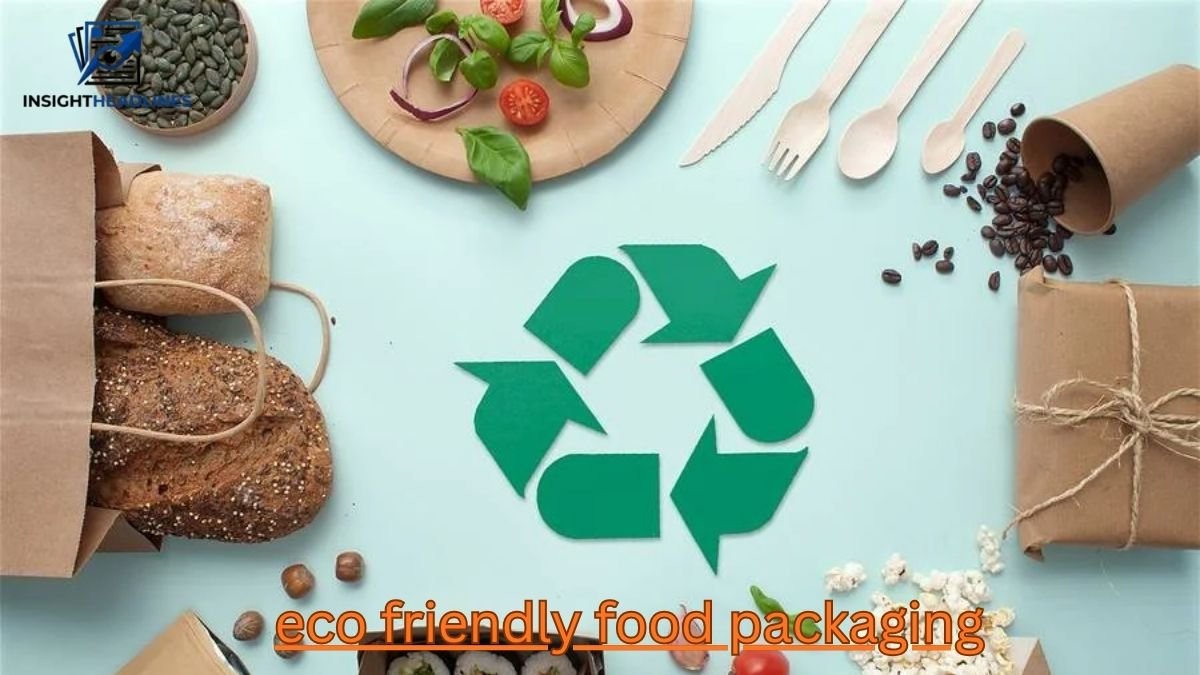
Choosing eco friendly food packaging is no longer just a trend—it has become a real business decision that affects cost, customer trust, and even brand survival. Many small café owners, restaurant operators, and food startups face the same challenge: how do you reduce plastic use without compromising food quality, delivery safety, or budget?
In practice, switching to sustainable packaging is not always straightforward. Some materials look eco-friendly but fail under heat or moisture. Others are strong but too expensive for small businesses. And in markets like the UK, Philippines, or growing delivery-driven cities, customer expectations are rising fast—people now actively notice whether packaging is recyclable, compostable, or just “greenwashed.”
This guide breaks down eco friendly food packaging in a practical, real-world way. You’ll learn what actually works for restaurants, small businesses, and food delivery operations, how design affects sustainability, and which materials are worth investing in. Most importantly, you’ll see how businesses are successfully switching without increasing costs or losing convenience.
What Eco Friendly Food Packaging Really Means Today
Eco friendly packaging is often misunderstood. It’s not just “paper instead of plastic.” In real-world usage, it includes:
- Compostable materials that break down naturally
- Recycled packaging made from post-consumer waste
- Reusable containers designed for return systems
- Biodegradable materials under industrial composting conditions
However, here’s a practical insight many guides miss:
Not all biodegradable packaging is home-compostable.
For example, some PLA-based containers only break down in industrial facilities, which may not exist in smaller towns or rural areas.
This creates a gap between marketing claims and actual environmental impact. Businesses need to match packaging to local disposal systems, not just sustainability labels.
Eco Friendly Food Packaging for Small Business
Small businesses often struggle the most because they must balance cost, branding, and functionality.
What works best in real operations:
- Kraft paper boxes for dry food (burgers, sandwiches)
- Bagasse containers (sugarcane fiber) for hot meals
- Compostable paper cups with plant-based lining
- Recycled cardboard sleeves for takeaway items
A real-world observation:
Many small cafés in urban areas switch to eco packaging but forget one key issue—stackability during peak hours. Flimsy eco boxes collapse under pressure in busy kitchens. The best-performing packaging tends to be slightly thicker, even if it costs 10–15% more.
Cost-saving tip most businesses miss:
Instead of switching everything at once, successful small businesses:
- Start with high-visibility items (cups, bags, takeaway boxes)
- Keep durable reusable containers for dine-in or deposit-return systems
- Negotiate bulk eco packaging supply with local distributors
This phased transition reduces financial shock while improving brand perception.
Eco Friendly Food Packaging for Restaurants
Restaurants face a different challenge: food quality retention.
Key requirements:
- Heat resistance for hot dishes
- Leak-proof packaging for sauces and curries
- Oil resistance for fried food
- Microwave safety (for reheating customers)
Best-performing materials in real restaurant use:
- Bagasse clamshell containers
- PLA-coated paper bowls
- Recycled PET salad containers (where compostable options fail structurally)
- Wooden cutlery alternatives
Common mistake restaurants make:
Many restaurants switch to fully compostable packaging but ignore moisture control. For example, steamed rice or curry-based dishes can weaken low-grade paper packaging within 20–30 minutes.
The better approach is “hybrid eco packaging”:
- Compostable for dry items
- Reinforced recyclable packaging for wet dishes
This is more realistic and reduces customer complaints.
Eco Friendly Food Packaging UK Market Insights
In the UK, eco packaging demand is strongly influenced by regulation and consumer awareness.
What’s shaping the market:
- Plastic tax policies
- Strong recycling infrastructure
- Consumer demand for “plastic-free” branding
What actually works in UK food businesses:
- Molded fiber trays for takeaway meals
- Paper-based sandwich wraps with grease barriers
- Compostable coffee cups used by chains and independent cafés
Practical insight:
Many UK food businesses underestimate one thing—customer perception is as important as material type. Even recyclable packaging must clearly communicate disposal instructions, or it ends up in general waste anyway.
Businesses that print simple disposal icons see better recycling compliance from customers.
Eco Friendly Food Packaging Philippines Perspective
In the Philippines, challenges are different due to climate, humidity, and waste management limitations.
Real operational issues:
- High humidity weakens paper-based packaging
- Limited composting infrastructure in many areas
- Heavy reliance on food delivery platforms
Most effective solutions used locally:
- Thick kraft paper bags with waterproof lining
- Banana leaf wrapping for traditional foods (still widely used in local markets)
- Reusable plastic container systems for catering services
- Sugarcane bagasse for hot meals
Unique regional insight:
A growing trend in the Philippines is “returnable container ecosystems” used by small food hubs. Customers return containers on next purchase for a small discount. This reduces packaging waste more effectively than compostable alternatives in areas without composting facilities.
Eco Friendly Food Packaging Design That Improves Sales
Design is often underestimated, but it directly affects customer perception and repeat purchases.
Key design principles:
- Minimal ink usage (reduces contamination in recycling)
- Natural textures (kraft brown, uncoated surfaces)
- Clear sustainability messaging
- Stackable geometry for delivery efficiency
Real-world insight:
Packaging that looks eco-friendly but feels “cheap” can reduce perceived food value. The goal is not just sustainability—it is premium sustainability perception.
For example:
- A simple kraft burger box with embossed branding performs better than heavily printed “green-looking” packaging.
Eco Friendly Food Packaging Boxes: What to Choose
Different foods require different packaging structures.
Best options by food type:
- Burgers & sandwiches → kraft clamshell boxes
- Rice & curry meals → bagasse containers with lid seal
- Bakery items → recycled cardboard boxes
- Salads → PLA transparent bowls
Practical mistake to avoid:
Using one “universal eco box” for all food types often leads to leakage, sogginess, or customer dissatisfaction.
The smarter strategy is category-based packaging selection, not one-size-fits-all.
Advanced Insight: The Hidden Cost of “Going Green”
Most articles ignore this, but businesses often discover:
1. Waste sorting costs increase
Eco packaging still requires proper segregation, which can increase operational workload.
2. Delivery time sensitivity matters more
Some compostable materials degrade faster under heat and moisture during delivery delays.
3. Branding becomes part of sustainability
Customers expect eco packaging to visually reflect sustainability—design now plays a functional role, not just aesthetic.
Common Mistakes Businesses Make
- Choosing packaging based only on price
- Ignoring food type compatibility
- Overusing compostable materials without disposal infrastructure
- Poor sealing leading to leaks in delivery
- Not training staff on correct usage
Practical Tips for Switching to Eco Packaging
- Test packaging with real menu items before bulk buying
- Ask suppliers for heat and leak resistance data
- Start with high-impact items first
- Combine recyclable + compostable materials strategically
- Gather customer feedback after switching
FAQ
What is the most eco friendly food packaging option?
The most effective option depends on food type and disposal systems. Bagasse and molded fiber are widely considered strong all-round choices. However, local waste infrastructure plays a major role in real sustainability.
Is eco friendly food packaging more expensive?
Initially yes, it can cost slightly more than plastic. However, bulk purchasing and reduced waste fees often balance long-term costs. Many businesses also benefit from improved brand perception.
What is the best eco friendly packaging for hot food?
Bagasse containers and PLA-coated paper bowls perform best for hot meals. They resist heat and moisture better than standard paper packaging.
Can small businesses afford eco friendly packaging?
Yes, especially if they transition gradually. Starting with high-visibility items like cups and takeaway boxes makes the switch more affordable and manageable.
Is biodegradable packaging always better?
Not always. Some biodegradable materials require industrial composting facilities. If these are not available locally, the environmental benefit may be limited.
What is the future of eco friendly food packaging?
The future is moving toward reusable systems, hybrid materials, and smarter packaging design that reduces waste at the source rather than relying only on disposal solutions.
Conclusion
Eco friendly food packaging is not just about replacing plastic—it is about choosing the right material for the right food, in the right environment. Restaurants, small businesses, and delivery brands all face different challenges, and there is no single perfect solution.
What actually works in real operations is a balanced approach: combining compostable, recyclable, and reusable options based on practicality, not just marketing claims. Businesses that succeed in this transition focus on performance, customer experience, and local waste systems—not just labels.
Sustainability becomes truly effective when it also works in everyday business conditions.