
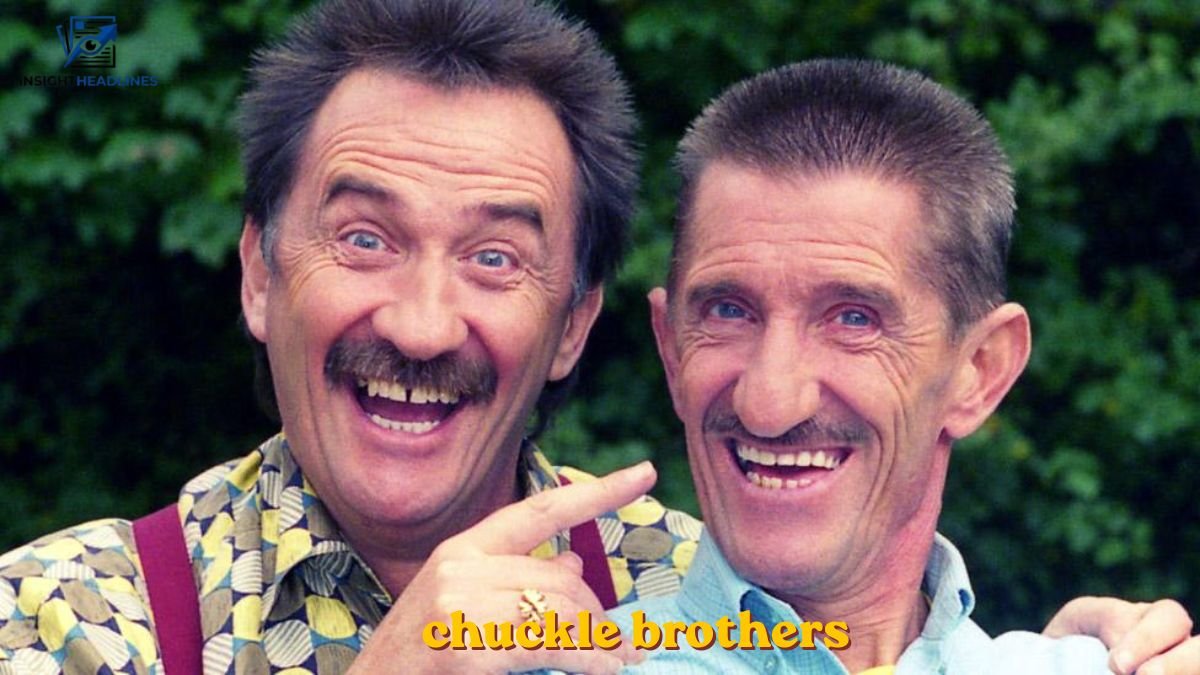
The Chuckle Brothers remain one of the most recognisable comedy duos in British television history, even decades after their peak fame. If you grew up watching light-hearted UK entertainment, chances are you’ve heard the iconic phrase “To me, to you!” echoing through slapstick sketches that felt simple on the surface but were carefully timed and surprisingly skillful underneath. For many viewers searching for the Chuckle Brothers, their legacy goes far beyond one catchphrase—it represents a style of physical comedy that shaped children’s entertainment in the UK for years.
Today, people still search for Chuckle Brothers names, their appearances on shows like Chuckle Brothers Gogglebox, and the meaning behind their famous routine. This article breaks everything down in a clear, human way: who they were, how their comedy worked, why their catchphrase became cultural shorthand, and what made their partnership so enduring.
Whether you remember them from childhood TV or are discovering them through modern clips online, this guide explains their story in a practical, engaging way that connects nostalgia with real behind-the-scenes insight.
Who Were the Chuckle Brothers?
The Chuckle Brothers were a British comedy duo made up of real-life siblings:
- Barry Chuckle
- Paul Chuckle
Their real names were Barry and Paul Elliott. They built a long career in entertainment, primarily targeting children’s television audiences with slapstick humor, visual gags, and exaggerated physical comedy.
What made them unique was not just their jokes—but their delivery style. Unlike stand-up comedians who rely on punchlines, they built entire sketches around misunderstandings, props, and synchronized movement.
They became household names through shows like ChuckleVision, which ran for decades and cemented their place in UK pop culture.
Chuckle Brothers Names and Why They Matter in Searches
People often search “Chuckle Brothers names” because many remember the duo but not their individual identities.
Here’s why it matters:
- Their stage names (“Chuckle Brothers”) became stronger than their real surname (Elliott)
- They always performed as a unit, rarely separated in branding
- Their characters blurred the line between real siblings and TV personas
This is why modern audiences often struggle to distinguish between Barry and Paul individually—the brand was built on unity rather than individuality.
A useful real-world comparison is how comedy duos like Laurel & Hardy operated: the pair matters more than the individuals.
The Secret Behind “To Me To You”
The phrase “Chuckle Brothers to me to you” is one of the most searched aspects of their legacy.
At first glance, it seems like a simple line used while passing objects. But there’s more depth to it.
Why it worked so well:
- It created predictable tension (audiences knew a mistake would happen)
- It relied on timed repetition, not scripted jokes
- It turned basic actions (like carrying a plank) into comedy
What most people don’t realize:
The routine is actually based on physical coordination training. Both brothers had to maintain rhythm while intentionally “messing up” timing just enough to create humor without breaking flow. That balance is harder than it looks and is a key reason their sketches were so consistent.
ChuckleVision and the Comedy Formula
Their long-running show gave structure to their humor. Each episode typically followed a simple formula:
- The brothers are given a task
- Miscommunication leads to chaos
- Props become obstacles
- The situation escalates absurdly
- Catchphrase resolves or repeats the joke
The genius was repetition with variation. Even though episodes followed a similar structure, the props and settings changed constantly.
Chuckle Brothers Gogglebox Appearances Explained
Many people search for “gogglebox chuckle brothers”, often confused about their role.
The truth is:
They were not regular cast members of Gogglebox.
Instead, they appeared in special contexts or nostalgic TV discussions where clips of their work were featured or referenced. Their presence on modern TV formats like this shows how enduring their popularity is—even newer generations recognize them instantly.
Their humor fits perfectly with reaction-based shows because it is visually expressive and easy to understand without context.
Why Their Comedy Still Works Today
Even in today’s fast-paced digital entertainment world, their sketches still get millions of views online. Why?
1. Visual Comedy is Universal
No language barrier exists. You don’t need cultural context to understand slipping, dropping, or mis-timed actions.
2. Predictability Creates Comfort
Audiences know something will go wrong—but enjoy watching how it goes wrong.
3. Short Attention Span Friendly
Modern platforms favor short, looping humor—exactly what their sketches deliver.
Common Misunderstandings About the Chuckle Brothers
1. “They only did kids’ comedy”
Not true. While targeted at children, adults appreciated their timing and structure.
2. “They just repeated the same joke”
In reality, they used variation in pacing, props, and staging to reinvent the same idea.
3. “They didn’t need skill”
This is the biggest misconception. Physical comedy requires precise timing, choreography, and spatial awareness.
Real-Life Insights Most People Miss
Here are some lesser-known, practical insights about their craft:
Insight 1: Comedy Timing Was Rehearsed Like Dance
Their movements were often blocked out like choreography. Every “mistake” was planned to look accidental.
Insight 2: Props Were Treated as Characters
In many sketches, objects (planks, boxes, ladders) were intentionally used as “third performers,” shaping the rhythm of the scene.
Insight 3: Silence Was Part of the Joke
Unlike modern comedy that relies heavily on dialogue, they often used pauses and facial expressions to build anticipation before the gag landed.
The Cultural Legacy of the Chuckle Brothers
Their influence is visible in modern physical comedy, YouTube sketch channels, and even meme culture.
They helped define:
- Family-friendly slapstick entertainment
- Visual storytelling in children’s TV
- The power of catchphrase branding
Even after the passing of Barry Chuckle in 2018, their legacy continues through reruns, clips, and cultural references.
Why People Still Search for Them Today
Search trends around “Chuckle Brothers” continue because:
- Nostalgia-driven viewing is growing
- Short-form clips circulate on social media
- Younger audiences discover them through memes
- UK comedy history remains popular in retrospectives
Their work has become part of Britain’s shared entertainment memory.
FAQ: Chuckle Brothers Explained
1. Who were the Chuckle Brothers?
The Chuckle Brothers were a British comedy duo made up of brothers Barry and Paul Elliott. They were best known for their slapstick humor and children’s TV show ChuckleVision. Their comedy focused on physical gags and misunderstandings rather than spoken jokes.
2. What does “To me, to you” mean?
It was a catchphrase used during scenes where they carried objects together. The humor came from their repeated miscoordination, often dropping or mishandling items in a comedic way. It became one of the most iconic phrases in British comedy.
3. Were the Chuckle Brothers on Gogglebox?
They were not regular participants on Gogglebox, but they have been featured in discussions or clips due to their cultural significance. Their style fits well with reaction-based entertainment formats.
4. What are the real names of the Chuckle Brothers?
Their real names were Barry Elliott and Paul Elliott. They performed under the stage names Barry Chuckle and Paul Chuckle, which became more famous than their actual surname.
5. Why are the Chuckle Brothers still popular?
Their humor is timeless because it relies on visual comedy and physical timing. Even today, clips circulate online and appeal to both nostalgic audiences and new viewers discovering them for the first time.
Conclusion
The Chuckle Brothers remain a rare example of comedy that transcends generations. Their blend of timing, simplicity, and physical humor created a legacy that still feels fresh in today’s fast-moving digital world. Whether remembered for “To me, to you,” their TV sketches, or their appearances in modern pop culture discussions, their influence continues to be felt.
At its heart, their success came from something simple: making everyday actions funny through perfect coordination and playful chaos. That’s why their comedy still works—and why people keep searching for them today.