
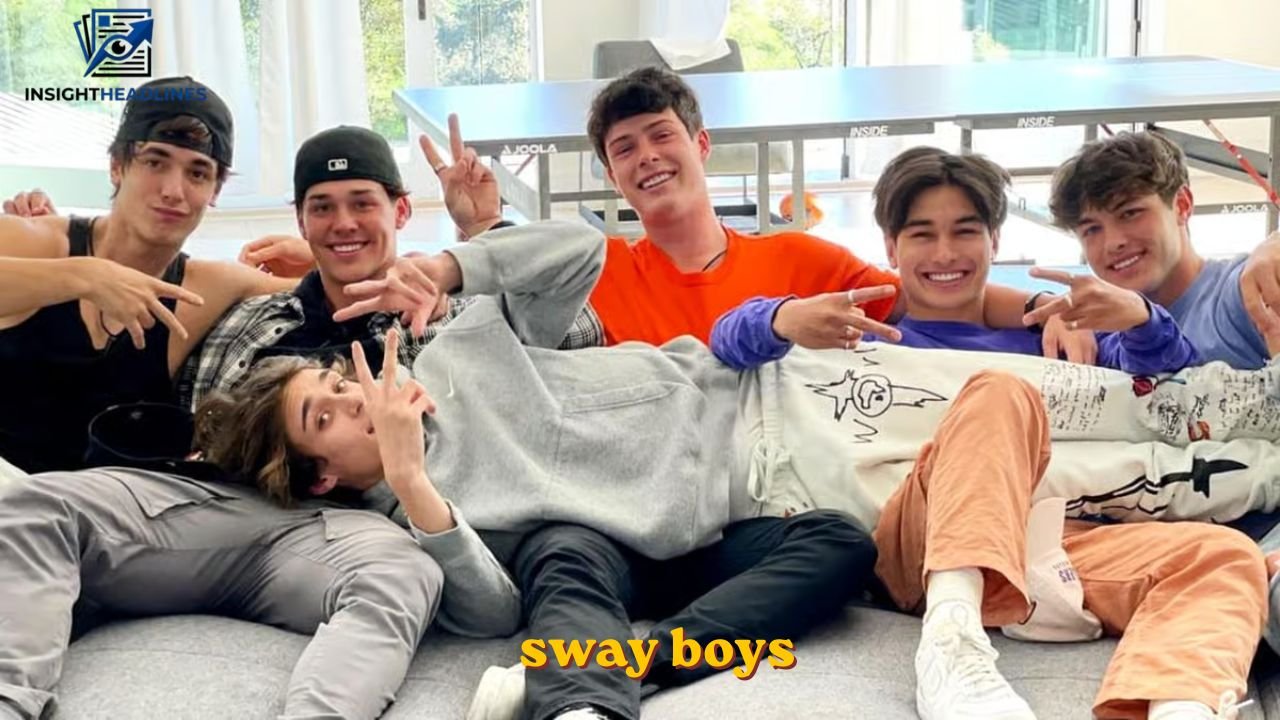
If you’ve spent time on TikTok, YouTube, or Instagram, you’ve probably heard people mention the Sway Boys. Whether someone is talking about viral challenges, influencer drama, or the rise of social media celebrities, the group continues to appear in conversations years after its peak popularity. But many people still wonder: Who were the Sway Boys? Why did they become so famous? And what happened to them?
Understanding the Sway Boys is about more than knowing a list of internet personalities. Their story represents a turning point in how online creators built careers, attracted millions of followers, and transformed social media into a full-time business. They helped redefine influencer culture and inspired countless creator houses that followed.
In this guide, you’ll learn how the Sway Boys started, who the key members were, why they became so influential, the controversies they faced, and where they are today. Whether you’re researching internet culture or simply curious about one of TikTok’s most recognizable creator groups, this article provides a complete, easy-to-understand overview.
What Are the Sway Boys?
The Sway Boys were a collective of young male content creators who lived and worked together in a shared house while producing videos for TikTok, YouTube, Instagram, and other social media platforms.
Their concept was simple:
- Create entertaining videos together.
- Collaborate daily.
- Grow each creator’s audience.
- Turn online popularity into business opportunities.
The group quickly became one of the most recognizable creator collectives during TikTok’s explosive growth around 2019 and 2020.
Unlike traditional celebrities who built careers through television or film, the Sway Boys became famous almost entirely through short-form social media content.
How Did the Sway Boys Start?
The Sway House was created by TalentX Entertainment, a talent management company focused on helping digital creators expand their brands.
Instead of working independently, influencers were encouraged to live together. This approach offered several advantages:
- Constant collaboration
- Faster content production
- Shared audiences
- Cross-promotion
- Stronger engagement
Living together meant creators could film multiple videos every day without scheduling collaborations weeks in advance.
This model proved incredibly successful and influenced many creator houses that followed.
Who Were the Main Sway Boys?
Although membership changed over time, several creators became the public faces of the Sway House.
Bryce Hall
Bryce Hall was arguably the group’s most recognizable personality.
Known for:
- Comedy videos
- High-energy personality
- Boxing matches
- Business ventures
- Viral internet feuds
His outspoken nature often kept the Sway House in online discussions.
Josh Richards
Josh Richards balanced entertainment with entrepreneurship.
Over time, he expanded beyond social media by investing in startups, launching business ventures, and hosting podcasts.
Many people view him as one of the first TikTok creators to successfully transition into business leadership.
Griffin Johnson
Griffin Johnson gained popularity through humorous TikTok videos and lifestyle content.
He later pursued:
- Acting
- Entrepreneurship
- Brand partnerships
- Podcast appearances
His online presence evolved considerably after leaving the creator house.
Noah Beck
Noah Beck joined after already gaining attention on TikTok.
His background as a college soccer player gave him a unique image compared with many influencers.
He quickly became one of the platform’s fastest-growing creators through:
- Fashion content
- Lifestyle videos
- Fitness
- Collaborations
Anthony Reeves
Anthony Reeves developed a loyal fan base through relatable videos and collaborations.
Although generally more private than some members, he remained an important part of the group’s popularity.
Why Did the Sway Boys Become So Popular?
Their success wasn’t simply luck.
Several factors worked together.
1. Perfect Timing
TikTok experienced explosive growth just as the Sway House launched.
Millions of users were looking for entertaining creators every day.
2. Daily Collaboration
Working together meant content could be produced rapidly.
Instead of one creator posting one video, multiple creators often appeared in dozens of videos every week.
This dramatically increased visibility.
3. Different Personalities
Each member appealed to different audiences.
Some focused on:
- Comedy
- Lifestyle
- Fashion
- Fitness
- Challenges
- Trends
Together, they attracted a broad range of followers.
4. Viral Moments
Collaborations naturally created memorable moments.
Fans enjoyed seeing friendships, competitions, and spontaneous interactions.
These moments encouraged viewers to watch multiple creators instead of following only one.
What Kind of Content Did They Make?
The Sway Boys became known for entertaining, fast-paced content.
Popular formats included:
- Dance trends
- Lip-sync videos
- Comedy sketches
- Challenges
- Pranks
- Q&A sessions
- Behind-the-scenes lifestyle clips
- Fitness content
As their audiences matured, many members expanded into:
- Podcasts
- Vlogs
- Boxing
- Fashion
- Entrepreneurship
- Acting
The Business Behind the Sway Boys
One of the biggest misconceptions is that the group simply made fun videos.
In reality, they were building personal brands.
Revenue came from multiple sources:
- Brand sponsorships
- Merchandise
- Advertising
- Podcast deals
- Investments
- Business partnerships
- Event appearances
Unique Insight #1
Many people assume creator houses existed primarily for friendship. In practice, they functioned much like startup incubators. Members shared audiences, tested content ideas quickly, and accelerated each other’s growth in ways that individual creators often couldn’t match.
Challenges and Controversies
Like many internet celebrities, the Sway Boys experienced public criticism.
Some common issues included:
Public Relationships
Romantic relationships frequently became headline news because fans closely followed creators’ personal lives.
Online Drama
Disagreements between influencers often generated millions of views.
While some conflicts were genuine, others became amplified by social media algorithms that rewarded engagement.
Privacy
Living online made it difficult to separate personal life from public entertainment.
Many members later discussed the pressure of constantly producing content.
Unique Insight #2
One overlooked challenge was creative burnout. Living with fellow creators meant there was almost constant pressure to participate in trends before they lost momentum. The competition wasn’t only against other influencers—it was often against the speed of the algorithm itself.
Did the Sway Boys Break Up?
Over time, members began focusing on individual careers.
Several reasons contributed:
- Personal growth
- Business opportunities
- Different career goals
- New locations
- Independent branding
Rather than ending suddenly, the group gradually became less active as members pursued separate paths.
This is common among creator collectives.
Where Are the Sway Boys Today?
Most former members remain active online.
Many have expanded into:
- Entrepreneurship
- Fashion
- Podcasts
- Acting
- Investing
- Sports entertainment
- Brand ownership
Some continue creating TikTok videos regularly, while others focus more on businesses than social media.
Their careers illustrate how internet fame can evolve into long-term professional opportunities.
How the Sway Boys Changed Influencer Culture
The Sway Boys left a lasting impact on digital entertainment.
They helped normalize:
- Creator houses
- Cross-platform branding
- Influencer entrepreneurship
- Content collaboration
- Personal branding as a business
Today, many successful creators use strategies similar to those pioneered by groups like Sway House.
Lessons Future Creators Can Learn
The Sway Boys offer valuable lessons for aspiring influencers.
Collaboration Accelerates Growth
Working with creators in similar niches often helps everyone grow faster than working alone.
Consistency Matters
Their success wasn’t built on one viral video.
It came from producing content every day over long periods.
Build Beyond Social Media
The creators who diversified into businesses, podcasts, investments, and fashion created more sustainable careers.
Protect Your Privacy
Constant online visibility can affect mental health and personal relationships.
Maintaining healthy boundaries is important for long-term success.
Unique Insight #3
Perhaps the biggest lesson isn’t about going viral—it’s about adaptability. The creators who remained relevant were those who treated social media as a launchpad rather than the final destination. As platforms changed, they shifted toward businesses, media projects, and personal brands that weren’t dependent on a single algorithm.
Sway Boys vs. Other Creator Houses
| Feature | Sway Boys | Typical Creator Houses |
|---|---|---|
| Primary audience | Teen and young adult | Varies |
| Main platforms | TikTok, YouTube, Instagram | Mixed |
| Content style | Lifestyle, comedy, challenges | Depends on members |
| Business focus | Strong | Moderate to strong |
| Lasting influence | Very high | Varies significantly |
The Sway Boys became one of the most recognizable examples of how creator collectives could become powerful entertainment brands.
Common Misconceptions
“They were just TikTok dancers.”
While dancing contributed to their popularity, members also developed businesses, podcasts, acting careers, and entrepreneurial ventures.
“Their success happened overnight.”
In reality, each creator spent significant time building audiences before reaching mainstream recognition.
“The group completely disappeared.”
Although the collective became inactive, many former members continue to enjoy successful individual careers.
FAQ
Who are the Sway Boys?
The Sway Boys were a group of popular social media creators who collaborated while living together in the Sway House. They became famous through TikTok, YouTube, and Instagram, especially during 2019 and 2020. Their influence extended beyond entertainment into entrepreneurship and digital branding.
Why were the Sway Boys so popular?
Their popularity came from consistent collaboration, engaging personalities, viral content, and excellent timing during TikTok’s rapid growth. By appearing in one another’s videos, they expanded their audiences much faster than many individual creators.
Are the Sway Boys still together?
No. The original collective gradually became inactive as members focused on their own careers. However, many former members continue creating content, running businesses, hosting podcasts, and pursuing entertainment opportunities.
What happened to the Sway House?
The Sway House eventually stopped operating as an active creator collective. Rather than ending because of a single event, it slowly evolved as members moved in different professional directions and built independent brands.
Did the Sway Boys influence today’s creator economy?
Yes. They helped popularize creator houses, collaborative content strategies, and influencer entrepreneurship. Many modern creators and talent agencies continue using approaches that became mainstream during the Sway House era.
Conclusion
The Sway Boys were far more than a group of internet personalities making viral videos. They represented a major shift in how digital creators collaborate, build audiences, and turn online popularity into sustainable careers. Their influence can still be seen across TikTok, YouTube, and other social platforms, where creator collectives and cross-platform branding remain common strategies.
Although the original group is no longer active, their legacy continues through the careers they built and the business model they helped popularize. For anyone interested in social media, influencer marketing, or the evolution of online entertainment, understanding the Sway Boys offers valuable insight into how the modern creator economy developed.