
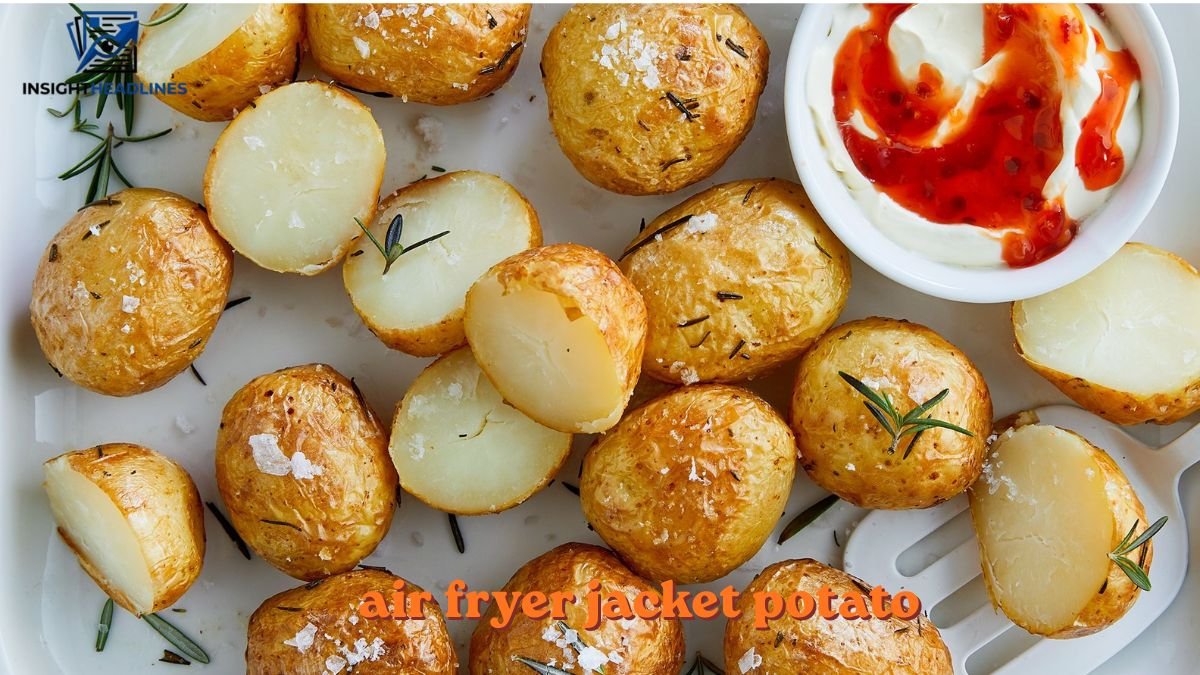
If you’ve ever tried making a jacket potato in an air fryer, you’ll know the promise is tempting: crispy skin, fluffy inside, and a fraction of the oven time. But in reality, it doesn’t always go to plan. Some come out dry, others still hard in the middle, and if you’re in a rush, the air fryer jacket potato microwave debate becomes very real—do you microwave first or not?
This guide solves exactly that problem. Whether you’re using a Ninja, a basic basket air fryer, or trying the popular air fryer jacket potato microwave first method, you’ll learn how to get consistently soft, fluffy potatoes with properly crisp skins every time. We’ll also break down why UK potatoes behave slightly differently, how long different sizes actually take, and the small mistakes that quietly ruin results.
By the end, you’ll know not just how to cook the perfect jacket potato, but why each method works—so you can adjust it confidently based on your time, appliance, and taste.
Why Air Fryer Jacket Potatoes Work So Well
An air fryer works by circulating very hot air at high speed, which mimics oven roasting but more efficiently. For jacket potatoes, this means:
- Faster crisping of the skin
- Less moisture trapped inside compared to microwaving alone
- More even cooking than some ovens
- No need to preheat for long periods
The key difference is air movement. Traditional ovens rely on still heat, while air fryers actively dry and crisp the surface of the potato.
In the UK, where Maris Piper and King Edward potatoes are commonly used, the starch content is ideal for fluffy interiors. That’s why an air fryer jacket potato often tastes more “roasted” than microwaved versions.
Air Fryer Jacket Potato Microwave First Method
One of the most searched methods is the air fryer jacket potato microwave first technique—and for good reason: it saves time without sacrificing texture.
How it works in practice:
- Microwave the potato for 6–10 minutes (depending on size)
- Let it sit for 1–2 minutes to release steam
- Rub with oil and salt
- Finish in the air fryer at 200°C for 10–15 minutes
Why this works:
Microwaving starts the cooking process by heating the water inside the potato. This reduces air fryer time significantly. The air fryer then finishes the job by drying the skin and improving texture.
Real-world tip:
If you skip the resting stage after microwaving, the potato can “sweat” in the air fryer, leading to slightly rubbery skin. That 2-minute pause makes a bigger difference than most people expect.
Ninja Air Fryer Jacket Potato Method
The Ninja air fryer jacket potato trend is popular in UK kitchens because Ninja models tend to cook slightly faster due to strong airflow.
Recommended settings for Ninja air fryers:
- Temperature: 200°C
- Time: 35–45 minutes (whole raw potato)
- Flip halfway through for even crisping
What makes Ninja different:
Ninja air fryers circulate heat more aggressively, which means:
- Faster skin crisping
- Slightly shorter cook time
- More consistent results with larger potatoes
Practical insight:
With Ninja models, medium-sized Maris Piper potatoes often cook perfectly without microwave pre-cooking. However, very large potatoes still benefit from a 5-minute microwave head start.
Step-by-Step Air Fryer Jacket Potato (No Microwave)
If you prefer the traditional air fryer route, here’s a reliable method used in UK homes:
1. Choose the right potato
Go for starchy UK varieties like Maris Piper or King Edward.
2. Wash and dry thoroughly
Dry skin = crisp skin. Moisture is the enemy here.
3. Prick the potato (but not excessively)
Contrary to myth, you don’t need to stab it 20 times. 4–6 pricks are enough.
4. Oil and salt coating
Rub olive oil or vegetable oil all over, then add sea salt generously.
5. Air fry at 200°C
Cook for 35–50 minutes depending on size.
6. Test for doneness
A fork should slide in easily with no resistance.
Common Mistakes That Ruin Air Fryer Jacket Potatoes
Even simple cooking can go wrong. Here’s what usually causes disappointment:
1. Skipping oil
Without oil, the skin dries out instead of crisping.
2. Overcrowding the basket
Air needs space to circulate. Crowding leads to uneven cooking.
3. Wrong potato type
Waxy potatoes stay firm instead of fluffing up.
4. Not checking size consistency
Mixing large and small potatoes leads to uneven results.
5. Over-microwaving before air frying
This can make the inside too soft and slightly watery.
Unique Insights Most Guides Don’t Mention
Here are a few lesser-known but game-changing tips:
1. The “steam rest” trick after microwaving
Letting the potato sit wrapped (or just untouched) for 1–2 minutes after microwaving redistributes internal moisture. This improves fluffiness dramatically.
2. Salt first, oil second (not the other way around)
Most people oil first, but salting the dry skin before oil helps crystals stick better, creating a crispier crust in the air fryer.
3. The double-crisp method
For extra crispy skins, cook for 30 minutes, remove, rest for 5 minutes, then air fry again for 5–8 minutes. This creates a bakery-style crust effect.
Air Fryer vs Microwave vs Oven
Each method has strengths:
Microwave only
- Fastest (8–10 minutes)
- Soft texture
- No crisp skin
Oven baked
- Best flavour development
- Long cooking time (60–90 minutes)
- Very even results
Air fryer jacket potato
- Balanced speed and texture
- Crisp skin + fluffy inside
- Ideal for weeknight meals
Microwave + air fryer combo
- Fastest “proper” jacket potato
- Best for busy UK households
- Slight trade-off: slightly less deep roasted flavour
UK Kitchen Reality: Why Timing Matters
In UK homes, jacket potatoes are often a midweek staple. The biggest issue isn’t taste—it’s time. That’s why the air fryer jacket potato microwave first method has become so popular.
Typical UK scenario:
- You get home late
- You want something filling and cheap
- You don’t want a 1-hour oven wait
This is where combining microwave and air fryer makes sense. It turns a 60-minute meal into a 20–25 minute solution without sacrificing texture.
Best Toppings After Air Frying
Once your potato is done, the texture holds up beautifully for toppings like:
- Cheese and beans
- Tuna mayo
- Chilli con carne
- Sour cream and chives
- Butter and black pepper (simple but effective)
The crisp skin from the air fryer holds toppings better than a microwaved potato, preventing sogginess.
FAQs
1. Can I microwave a jacket potato before air frying it?
Yes, and it’s one of the fastest methods. Microwaving first reduces air fryer time significantly while still allowing the skin to crisp up properly. Just remember to let it rest briefly before air frying.
2. How long does a Ninja air fryer jacket potato take?
In most Ninja models, a medium potato takes around 35–45 minutes at 200°C. Larger potatoes may take closer to 50 minutes if cooked from raw.
3. Do I need to wrap potatoes in foil in an air fryer?
No. Foil prevents crisping, which is one of the main benefits of air frying. Always cook jacket potatoes uncovered for best results.
4. Why is my air fryer jacket potato hard inside?
This usually happens when the potato is too large, undercooked, or not pre-softened. Either increase cooking time or use the microwave first method.
5. What is the best potato for air fryer jacket potatoes in the UK?
Maris Piper and King Edward are the best options. They have high starch content, which creates a fluffy interior.
6. Can I cook frozen jacket potatoes in an air fryer?
Yes, but they require longer cooking time and may not be as fluffy as fresh potatoes. Always check softness before serving.
Conclusion
The perfect air fryer jacket potato is all about balancing heat, moisture, and timing. Whether you go fully raw, use the air fryer jacket potato microwave first shortcut, or rely on a Ninja air fryer, the goal stays the same: crisp skin and a light, fluffy centre.
The biggest takeaway is flexibility. Once you understand how your specific air fryer behaves, you can adjust timing, temperature, and prep method with confidence. Small details—like resting after microwaving or properly drying the skin—make a bigger difference than most people expect.
With the right approach, this simple dish becomes one of the most reliable, comforting meals you can make in under an hour.