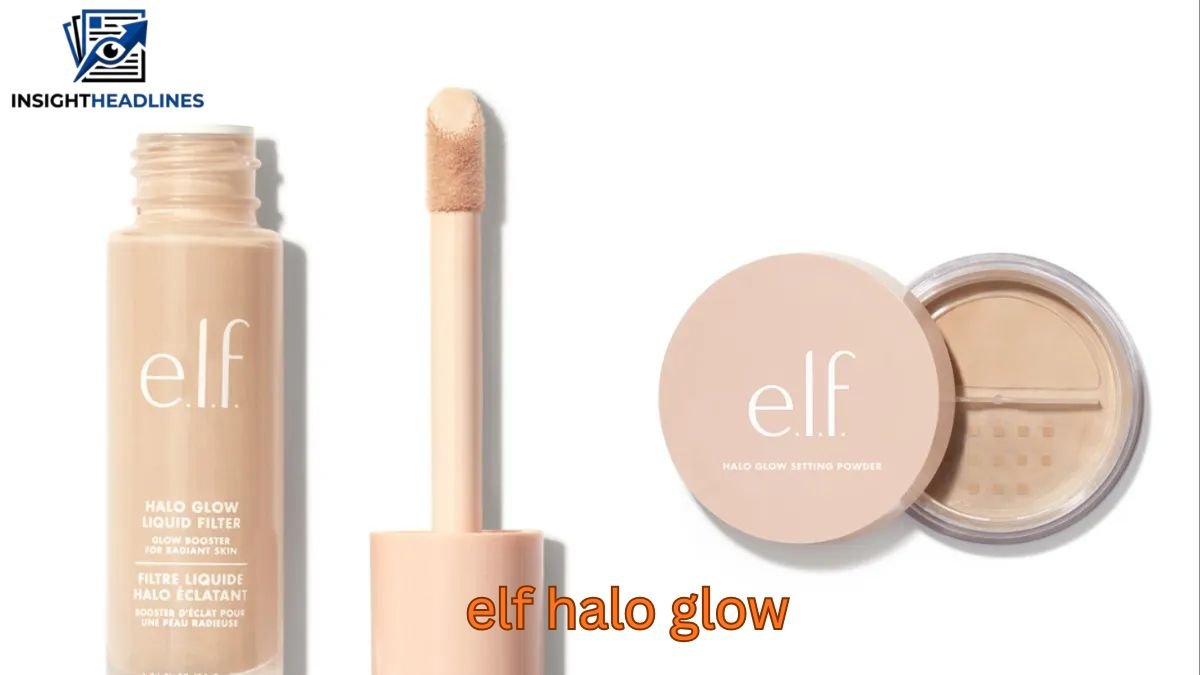
If you’ve ever put on foundation and thought, “Why does my skin look flat… or worse, dusty?”—you’re not alone. A lot of makeup looks good in your bedroom mirror but turns into something completely different in daylight. That’s exactly why e.l.f. Halo Glow has become such a viral product line. It promises glow, softness, and that “healthy skin” look without the heavy, cakey finish many people hate.
But here’s the real question: Is e.l.f. Halo Glow actually a foundation, a filter, or just a shiny highlighter in disguise? And which product in the Halo Glow range is actually worth buying—liquid filter, skin tint, setting powder, contour, blush, or highlighter?
In this guide, you’ll get a real, practical breakdown of how e.l.f. Halo Glow works, what each product does, who it’s best for, and the common mistakes that make it look greasy or patchy. I’ll also share application tips that actually work in real life—especially if you have textured skin, oily zones, or dry patches.
What Is e.l.f. Halo Glow (and Why Is Everyone Obsessed)?
e.l.f. Halo Glow is a makeup line designed to create a “lit-from-within” glow, meaning your skin looks naturally radiant instead of looking like it has shimmer sitting on top.
What makes Halo Glow different from typical glowy products is that most of them are built around:
- light-reflecting pigments
- skin-smoothing powders
- soft-focus finishes that blur texture visually
The biggest reason it went viral is because it gives that expensive “glass skin” vibe—without the price tag.
But the truth is: Halo Glow isn’t magic. If you use the wrong shade, apply too much, or layer it incorrectly, it can easily turn into a greasy-looking mess.
The Star Product: e.l.f. Halo Glow Liquid Filter (Real Explanation)
The e.l.f. Halo Glow Liquid Filter is the product that made the whole line famous.
What it is
It’s a glowy complexion booster that sits between skincare and makeup. It’s not a foundation, and it’s not a traditional highlighter either.
Think of it like a product that makes your skin look more “alive” and smooth in photos and daylight.
What it does best
- Adds glow without obvious glitter
- Softly blurs pores (especially from a distance)
- Makes dull skin look healthier
- Works under foundation or alone
What it does NOT do
- Cover acne fully
- Hide strong hyperpigmentation
- Replace full-coverage foundation
If you’re expecting it to cover like a foundation, you’ll be disappointed. If you want your skin to look naturally radiant and smoother, you’ll understand the hype immediately.
How to Use e.l.f. Halo Glow Liquid Filter (3 Best Methods)
1. Under Foundation (Most Natural Method)
This is the most flattering method if you want glow without looking oily.
How to do it:
- Apply a thin layer of Halo Glow first
- Let it settle for 30–60 seconds
- Add foundation only where needed
Best for: normal, dry, combination skin
Finish: healthy skin glow, “expensive makeup” look
2. Mixed With Foundation (Best for Busy Days)
This gives a fresh, slightly sheer finish.
Tip: Use only 1 pump of foundation + a small amount of Halo Glow.
Best for: people who hate heavy makeup
Finish: soft radiant skin tint effect
3. On High Points (Best for Highlighting Without Glitter)
You can dab it like a liquid highlighter.
Apply to:
- cheekbones
- bridge of nose
- brow bone
- center of forehead
Best for: glam looks
Warning: too much can emphasize texture
e.l.f. Halo Glow Shades: How to Pick the Right One
Choosing the right e.l.f. Halo Glow shades matters more than people think. A wrong shade won’t just look “a little off”—it can make your face look dull, orange, or gray.
Quick Shade Matching Rule
- If you’re using it all over your face → match your skin tone closely
- If you’re using it under foundation → you can go slightly lighter
- If you want bronzy glow → go 1 shade deeper
Real-life tip most people miss (Unique Insight #1)
If you have acne scars or texture, avoid going too light, because lighter Halo Glow shades reflect more light and can make texture more noticeable in direct sunlight.
A shade closer to your skin tone usually looks smoother.
e.l.f. Halo Glow Skin Tint: Is It Worth It?
The Halo Glow Skin Tint is made for people who want lightweight coverage but still want that hydrated glow.
What it feels like
It’s thin, breathable, and flexible. It doesn’t feel like traditional foundation.
Coverage level
- Light coverage
- Evens redness slightly
- Makes skin look “balanced,” not covered
Best for
- dry skin
- normal skin
- mature skin
- people who want “no makeup makeup”
Not ideal for
- very oily skin (unless you set it properly)
- people wanting full coverage
Real scenario:
If your skin is mostly clear but you want your complexion to look fresher, Halo Glow Skin Tint is a perfect “daily makeup” product.
e.l.f. Halo Glow Foundation: How It Compares
Many people search for e.l.f. Halo Glow foundation expecting the liquid filter to behave like one.
Here’s the truth: Halo Glow products can look like foundation when layered correctly, but they are mostly designed for glow-first makeup.
If you want a foundation-like finish
Try this layering method:
- Halo Glow Liquid Filter (thin layer)
- Concealer only where needed
- Set lightly with Halo Glow setting powder
This creates a foundation look without heavy coverage.
e.l.f. Halo Glow Setting Powder: Does It Kill the Glow?
The e.l.f. Halo Glow Setting Powder is one of the smartest products in the line because it sets makeup without giving a dry matte finish.
What it does
- controls shine
- smooths texture visually
- keeps glow looking “soft” instead of greasy
Where it works best
- under eyes
- sides of nose
- chin
- center forehead (T-zone)
Common mistake
Using it all over the face heavily.
That will make your face look flat and can bring back that “powdery” look Halo Glow is supposed to avoid.
Better method:
Use a light dusting only where you get oily, and leave cheeks mostly untouched.
e.l.f. Halo Glow Contour: Realistic or Muddy?
The e.l.f. Halo Glow contour products are designed to be softer than harsh contour sticks. They blend easily and are more beginner-friendly.
Best thing about it
It gives definition without looking like stripes.
Best placement for real-life contour
- under cheekbones (don’t bring it too close to mouth)
- jawline lightly
- sides of nose (very small amount)
- temples for balance
Unique Insight #2 (rarely mentioned)
If you use Halo Glow Liquid Filter and then apply Halo Glow contour on top, wait at least 1 minute before blending contour.
Why? Because if the base is still wet, contour blends too far and disappears, leaving you looking shiny but not sculpted.
e.l.f. Halo Glow Blush: The “Healthy Cheeks” Trick
The e.l.f. Halo Glow blush gives a fresh, radiant cheek look. It’s not overly glittery, but it has a “skin finish” that looks youthful.
Best way to apply
Instead of placing blush directly on the apples of your cheeks, place it slightly higher toward the cheekbone. This makes your face look lifted and fresh.
Best for
- dull skin
- tired-looking complexion
- people who want natural flush
Avoid if
You have very oily cheeks and hate shine. You can still use it, but you’ll need setting powder.
e.l.f. Halo Glow Highlighter: Subtle or Intense?
The e.l.f. Halo Glow highlighter is designed to look radiant without chunky glitter.
How it looks in real life
- smooth glow in daylight
- strong shine in flash photography
- gives “glass skin” effect when layered lightly
Where it shines (literally)
- cheekbones
- inner corners
- collarbones
- shoulders for events
Common mistake
Layering it on top of already shiny skin.
If your base is already glowing from Halo Glow Liquid Filter, you often don’t need highlighter at all.
Best Halo Glow Routine for Different Skin Types
If You Have Oily Skin
The goal is glow without looking greasy.
Routine:
- light moisturizer (not oily)
- Halo Glow Liquid Filter only on cheeks
- matte or semi-matte foundation on T-zone
- Halo Glow Setting Powder on nose/chin/forehead
- setting spray (optional)
Tip: Avoid applying Halo Glow directly on the nose—it makes pores look larger.
If You Have Dry Skin
Dry skin is where Halo Glow looks its best.
Routine:
- hydrating moisturizer
- Halo Glow Liquid Filter all over
- Halo Glow Skin Tint
- cream blush
- powder only under eyes
If You Have Textured Skin or Large Pores
Halo Glow can either blur texture or highlight it, depending on technique.
Best method:
- use less product
- apply with damp sponge, not brush
- avoid heavy powder layering
Unique Insight #3 (rarely discussed):
Halo Glow looks best when applied in thin layers, but it performs even better if you “press” it into the skin rather than swiping. Swiping moves product around and makes texture more visible.
e.l.f. Halo Glow: Common Mistakes That Ruin the Finish
1. Using Too Much Product
Halo Glow is designed to be sheer. Too much turns glow into grease.
2. Skipping Powder Completely
Even dry skin benefits from a tiny amount of setting powder around the nose and chin.
3. Applying It Like Full Coverage Foundation
Halo Glow works best as a “skin enhancer,” not as a mask.
4. Using Wrong Shade
Too warm = orange face
Too light = gray cast in daylight
Too deep = muddy glow
5. Highlighting the Wrong Areas
Glow should go where light naturally hits, not where oil naturally forms.
Halo Glow vs Traditional Foundation: Which One Should You Choose?
If you want flawless full coverage, a traditional foundation wins.
But if you want:
- natural skin look
- glow without heavy makeup
- quick everyday routine
Halo Glow is better.
The real advantage is that Halo Glow makes makeup look less like makeup. That’s why it’s become a favorite for people who hate thick foundation.
Who Should Buy e.l.f. Halo Glow (And Who Should Skip It)?
You’ll love Halo Glow if:
- you like radiant makeup
- you want skin to look fresh and healthy
- you prefer light to medium coverage
- you want an affordable “high-end” finish
You might skip it if:
- you want full matte skin
- you hate any shine at all
- you struggle with extremely oily skin (unless you set well)
FAQ: e.l.f. Halo Glow (Real Search Questions Answered)
1. Is e.l.f. Halo Glow Liquid Filter a foundation?
No, it’s not a true foundation. It’s more of a glow booster that can be worn alone or under makeup. It gives light coverage at most and is mainly meant to blur and reflect light. If you want real coverage, pair it with concealer or a foundation.
2. Can oily skin use e.l.f. Halo Glow without looking greasy?
Yes, but placement matters. Keep it on the outer parts of the face (cheeks and temples) and avoid the nose and center forehead. Set your T-zone with Halo Glow setting powder to control shine. This keeps the glow looking intentional, not oily.
3. What is the best way to apply e.l.f. Halo Glow Skin Tint?
Use clean fingers or a damp sponge for the most natural finish. Start with a small amount and build only where needed. It works best when you treat it like skincare makeup rather than full foundation. A light powder set can help it last longer.
4. Does e.l.f. Halo Glow setting powder make your face look dry?
Not usually, as long as you apply it lightly. It’s designed to blur and set without fully removing glow. The key is to focus on the oily areas only instead of baking your whole face. Too much powder is what causes dryness.
5. How do I choose the right e.l.f. Halo Glow shade?
Pick a shade close to your skin tone if wearing it all over. If you only want a brightening effect, go one shade lighter. If you want warmth or bronzy glow, go one shade deeper. Always test in daylight because indoor lighting can be misleading.
6. Can I use e.l.f. Halo Glow contour and blush on top of the liquid filter?
Yes, and they actually pair beautifully together. Just make sure the liquid filter has settled into the skin before layering cream contour or blush. If you blend too early, everything melts and disappears. Waiting a minute makes the contour and blush stay defined.
Conclusion: Is e.l.f. Halo Glow Actually Worth It?
If you want your skin to look naturally radiant—like you slept well, drank water, and have good genetics—e.l.f. Halo Glow is one of the best affordable makeup lines for that effect. The liquid filter is the hero product, but the setting powder is surprisingly underrated, especially if you want glow without looking oily.
The secret to Halo Glow is simple: use less than you think you need, apply it strategically, and don’t treat it like heavy foundation. When applied correctly, it creates that soft, expensive-looking finish that makes people ask, “What are you wearing on your skin?”
If you’re building a glow routine on a budget, Halo Glow is one of the smartest places to start.